
Blog Summary:
IoT is reshaping transportation by improving real-time visibility, safety, and operational efficiency across fleets and logistics networks. From smart traffic systems to predictive maintenance and connected vehicles, these technologies enable faster, more reliable, and more sustainable mobility. As adoption grows, IoT will continue driving smarter, data-driven transportation systems that support modern mobility demands.
The transportation industry is evolving rapidly as connected technologies redefine how vehicles operate, how logistics networks function, and how mobility is managed. With the growing adoption of IoT in Transportation, everyday operations are becoming more automated, data-driven, and predictable.
Smart sensors, connected vehicles, and cloud platforms now give operators real-time visibility into assets, routes, and safety conditions—making it easier to reduce delays, improve efficiency, and support sustainable transportation models. These capabilities are becoming essential as supply chains expand and cities demand more intelligent mobility solutions.
This blog brings together everything you need to understand how connected systems are reshaping the transport sector. From core components and real-world use cases to benefits, challenges, and future trends, you’ll find a complete breakdown of what IoT means for today’s transportation landscape.
The global market for IoT in Transportation is expanding at an impressive pace, driven by rising demand for real-time visibility, operational efficiency, and enhanced safety across logistics, public transit, and traffic management systems.
Companies across the transport ecosystem are accelerating their digital transformation efforts, with many already deploying or piloting IoT solutions for fleet tracking, predictive maintenance, fuel optimization, and intelligent roadway systems.
The shift toward connected operations highlights a broader move to build smarter, more resilient transportation networks.
Market Growth & Projections

Connected technologies are reshaping transportation by turning traditional, manually operated systems into BI services and data-driven networks. With IoT-enabled devices capturing real-time information from vehicles, infrastructure, and cargo, transportation operators can make faster decisions, automate key processes, and eliminate operational blind spots. This shift is improving how fleets move, how cities manage traffic, and how logistics companies deliver goods across long distances.
One of the biggest transformations comes from continuous monitoring. Sensors installed in vehicles track performance, route conditions, fuel usage, driving patterns, and potential mechanical issues.
This allows teams to prevent breakdowns, optimize routes, and improve overall fleet reliability. For public transport, connected systems help manage passenger flows, maintain schedules, and enhance service quality.
In logistics, IoT provides deeper supply-chain visibility by enabling location updates, cargo condition monitoring, and predictive arrival-time estimates. For infrastructure management, smart traffic lights, roadway sensors, and connected intersections help reduce congestion and improve safety.
Together, these innovations are pushing the transportation industry toward a more efficient, sustainable, and responsive future.

IoT-driven systems bring a wide range of benefits that help transportation companies operate smarter, faster, and with greater visibility. These advantages span operational performance, safety improvements, delivery speed, and sustainability.
Below are the key benefits shaping the modern transport ecosystem-
Connected devices allow transport operators to automate routine tasks, optimize routes, and manage assets with real-time insights. IoT-driven monitoring reduces idle time, minimizes delays, and streamlines fleet performance.
Predictive data also enables proactive maintenance, lowering operational disruptions.
IoT-enabled safety tools track vehicle health, driver actions, and road conditions in real time. Alerts for speeding, harsh braking, low tire pressure, or component failures help prevent accidents and maintain compliance with safety standards.
With real-time traffic insights and automated routing, logistics teams can avoid congestion and maintain accurate ETAs. These capabilities lead to timely deliveries and improved customer satisfaction, especially in time-sensitive industries.
IoT systems analyze fuel usage, emissions, and idling patterns, enabling operators to adopt greener driving practices. Route optimization reduces unnecessary mileage, supporting both cost efficiency and environmental goals.
Smart sensors monitor shipment location and condition—such as temperature, humidity, or potential tampering—ensuring transparency across the supply chain. This reduces risks and improves reliability for sensitive goods.
IoT platforms can easily expand as business needs grow. Whether it’s adding more vehicles, sensors, or data streams, cloud-based systems ensure operations remain manageable and consistent at scale.
An effective IoT ecosystem in transportation depends on several interconnected components that gather data, enable communication, and support decision-making. These elements work together to create a unified network where vehicles, cargo, and infrastructure operate with real-time intelligence.
Below are the foundational parts that make IoT deployments successful in the transport sector-
Smart sensors capture real-time data from vehicles, assets, and the surrounding environment. They monitor parameters such as temperature, tire pressure, engine health, location, and cargo conditions.
This continuous stream of insights allows operators to detect issues early, reduce downtime, and maintain tighter control over fleet performance. Their accuracy and reliability make them essential for automation and predictive maintenance.
Connectivity serves as the communication bridge between devices, vehicles, and cloud platforms. Depending on the application, systems may use 5G, LTE, satellite, Wi-Fi, or LPWAN networks.
Strong connectivity ensures uninterrupted data flow, enabling precise tracking, remote diagnostics, and instant alerts. Without a stable network layer, IoT systems cannot function efficiently over long distances or across large fleets.
Data analytics transforms raw IoT data into meaningful insights that transport teams can act upon. Advanced analytical tools identify performance patterns, detect anomalies, and predict future events—such as component failures or delivery delays.
These insights help optimize routing, maintenance schedules, and resource allocation. As a result, companies can operate proactively rather than reactively.
You Might Also Like:
Business Analytics Vs. Business Intelligence: Key Differences Explained
User applications provide dashboards, mobile apps, and command interfaces that give operators complete visibility into IoT data. These tools allow teams to track fleets, monitor cargo, receive alerts, manage drivers, and evaluate KPIs from a single platform.
Accessible interfaces ensure that even complex datasets can be understood quickly, supporting better day-to-day decision-making.
Cloud platforms store, process, and manage the massive volume of data generated by IoT devices. They support real-time analytics, device management, and secure data sharing across different locations.
Cloud infrastructure also enables scalability, allowing transport businesses to expand their IoT deployments as operations grow. Its flexibility ensures seamless coordination between multiple systems and stakeholders.
Empower your transportation operations with intelligent IoT solutions designed to improve efficiency, safety, and real-time visibility.

IoT technologies are transforming how goods and people move by enabling real-time data collection, automation, and predictive insights. These use cases highlight how connected systems improve efficiency, reduce delays, and enhance safety across different areas of the transportation and logistics ecosystem.
IoT-enabled traffic systems use sensors and cameras to monitor congestion levels, vehicle flow, and road conditions. This data helps dynamically adjust signal timings to reduce bottlenecks and improve traffic flow.
Cities benefit from lower travel time, fewer accidents, and smoother peak-hour mobility. Smart intersections also support emergency vehicle prioritization, enabling faster response times.
Connected displays, mobile apps, and chatbot-assisted interfaces provide passengers with live updates on bus arrivals, train schedules, seat availability, and route changes. These systems improve customer experience by offering real-time information and reducing waiting uncertainty.
Transit authorities can better manage crowd flow and service frequency. The result is a more efficient and user-friendly public transport network.
Vehicles equipped with IoT sensors can communicate with each other and the surrounding infrastructure. They track engine health, driving patterns, fuel usage, and environmental conditions.
This connectivity supports safer driving, predictive maintenance, and optimized performance. For commercial fleets, connected vehicle data helps reduce breakdowns and improve route planning.
GPS-based tracking solutions provide live location updates of vehicles across long-distance routes. Operators can monitor delivery status, detect route deviations, and estimate arrival times more accurately.
Tracking also improves security by preventing theft or unauthorized use. With better visibility, logistics teams can coordinate operations more efficiently and handle exceptions quickly.
IoT systems help transit agencies track bus or train movement, monitor vehicle occupancy, and manage schedules in real time. This enables more reliable service and reduces delays caused by inefficiencies.
Fleet managers can also reroute vehicles based on traffic conditions or passenger demand. Ultimately, it improves service quality and operational planning.
Sensors installed along tracks and inside trains monitor vibration, temperature, wheel alignment, and braking systems. This real-time data helps detect mechanical issues early, preventing costly failures and accidents.
Railway authorities benefit from improved safety, lower maintenance costs, and more consistent service. IoT also supports automated inspection processes for better accuracy.
Connected fleet platforms allow operators to monitor driver behavior, fuel levels, engine data, cargo conditions, and maintenance needs. These insights help reduce operational costs, improve resource allocation, and extend vehicle lifespan.
Fleet managers can optimize scheduling, track performance trends, and ensure compliance with safety regulations. This leads to smoother and more efficient fleet workflows.
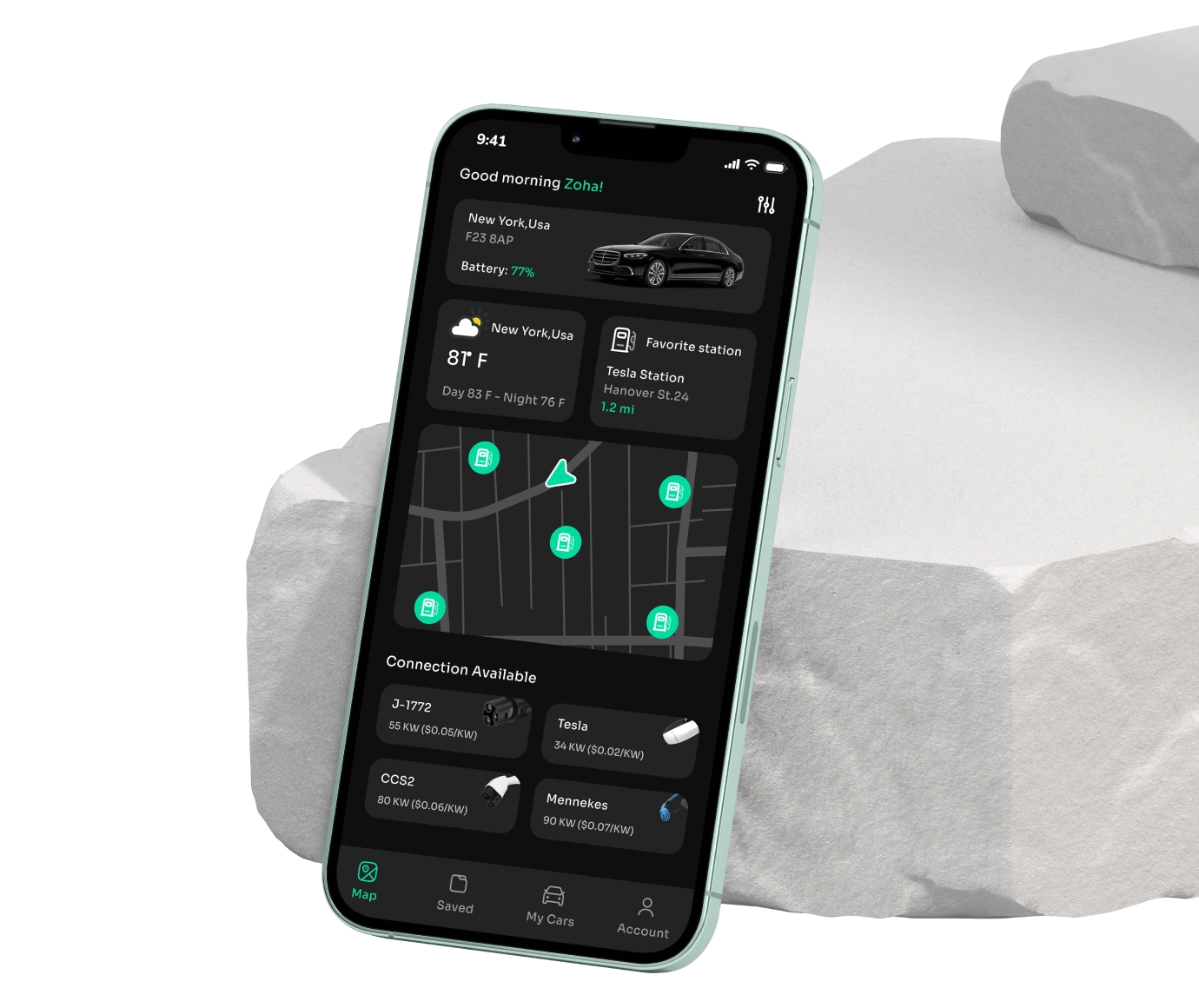
IoT plays a major role in managing electric vehicle charging stations by monitoring usage, availability, and energy consumption. Smart systems help optimize load balancing, prevent overcharging, and provide users with real-time charging updates.
Operators can predict demand and ensure reliable infrastructure for growing EV adoption. This technology supports a more scalable and efficient charging ecosystem.
While IoT brings significant value to transportation, its adoption also poses challenges that organizations must address to ensure successful implementation. These obstacles often relate to security, system integration, operational costs, and connectivity reliability.
Understanding these issues helps companies plan more effectively and deploy IoT solutions that scale smoothly.
IoT devices continuously generate and exchange sensitive data, making them potential targets for cyberattacks. Weak authentication, outdated firmware, or unsecured networks can expose fleets to threats.
Protecting data integrity and securing endpoints are crucial to maintaining safe, reliable operations. Strong encryption and monitoring systems are essential to minimize risks.
Transport companies often use legacy systems that are not compatible with modern IoT platforms. Integrating new sensors, software, and analytics tools with existing infrastructure can be challenging.
This complexity may lead to longer deployment timelines and higher technical overhead. A structured integration strategy helps avoid disruptions.
As fleets grow, managing thousands of interconnected devices becomes more complex. Ensuring consistent performance, data accuracy, and device health across large networks can strain operational teams.
Scalable cloud platforms and automation tools are needed to support long-term expansion without compromising system reliability.
Initial investment in IoT sensors, connectivity, analytics, and cloud infrastructure can be significant. For small or mid-sized transport businesses, these costs may feel restrictive.
However, long-term benefits—such as reduced maintenance costs and improved efficiency—often offset initial costs. Careful planning helps optimize budget utilization.
IoT systems rely heavily on stable network connections, which can be challenging in remote areas, tunnels, and across long cross-country routes. Network interruptions may lead to data loss or reduced visibility.
Using multiple connectivity options and failover mechanisms helps maintain reliability across different terrains and operating conditions.
Modernize your fleet operations using connected devices and intelligent analytics that reduce downtime, prevent failures, and improve delivery accuracy.
The transportation industry is entering a new phase where connected technologies will play an even larger role in shaping mobility, logistics, and infrastructure. Advancements in automation, connectivity, and data intelligence are accelerating the push toward smarter, safer, and more sustainable transport systems.
Below are the major trends expected to influence the next decade-
Predictive analytics powered by machine learning will help fleets anticipate maintenance needs, optimize routes, and forecast demand more accurately.
These insights reduce downtime and enhance planning efficiency. As more data becomes available, predictive systems will become even more precise and impactful.
With faster speeds and ultra-low latency, 5G will transform how vehicles, sensors, and cloud platforms communicate. It enables real-time decision-making, supports autonomous vehicle functions, and enhances large-scale device connectivity.
This will make transport IoT applications more reliable and responsive.
IoT is a core enabler of autonomous mobility, providing vehicles with the data needed for navigation, safety, and performance monitoring.
As automation technology advances, more fleets will adopt semi-autonomous systems to improve driver assistance and reduce accidents. This trend will reshape logistics and public transportation models.
Transportation systems will increasingly connect with smart city infrastructure such as traffic lights, road sensors, and environmental monitoring tools. This integration supports smoother traffic flow, better road safety, and improved urban planning.
Cities will use real-time data to reduce congestion and enhance commuter experiences.
Environmental goals will accelerate the adoption of solutions that monitor emissions, optimize fuel usage, and support electric mobility. IoT-enabled energy management will help EV charging networks operate efficiently.
Companies will rely on connected tools to meet sustainability standards and reduce carbon footprints.
BigDataCentric brings the expertise, technology, and industry understanding needed to help transportation companies adopt IoT solutions with confidence.
Our team specializes in building connected ecosystems that improve visibility, automate operations, and enhance decision-making across fleets, logistics networks, and public transport systems.
With experience in large-scale data platforms, real-time analytics, and cloud integrations, we help organizations modernize their transport operations efficiently and securely.
We design IoT systems that align with your existing infrastructure while ensuring smooth integration, scalability, and long-term performance.
From sensor deployment and fleet monitoring to analytics dashboards and predictive insights, our solutions help reduce downtime, optimize routes, and improve safety outcomes.
Transportation businesses also benefit from our strong focus on data security and compliance, ensuring that every connected asset operates in a protected environment.
Whether you want to enhance supply chain visibility, automate fleet operations, or transition to a smarter mobility model, BigDataCentric provides the strategic guidance and technical capabilities to deliver measurable results.
Our tailored solutions ensure your transport systems become more efficient, future-ready, and competitive in a fast-evolving digital landscape.
Intelligent IoT systems can help you reduce risks, optimize logistics workflows, and achieve greater accuracy across your entire transportation network.
The rapid growth of connected technologies is reshaping how transportation systems operate, bringing new levels of efficiency, visibility, and safety across the industry. From smart traffic systems and real-time fleet monitoring to predictive maintenance and EV charging networks, IoT continues to unlock powerful opportunities for modern mobility.
As organizations look to stay competitive and meet rising customer expectations, adopting intelligent, data-driven transport systems is becoming essential.
With advancements in connectivity, analytics, and automation, the future of transportation will be more responsive, sustainable, and interconnected than ever before.
Companies that embrace these innovations today will be better positioned to navigate challenges, scale efficiently, and deliver superior service in the years ahead.
The four main types of IoT are Consumer IoT, Industrial IoT (IIoT), Commercial IoT, and Infrastructure IoT. Each category focuses on different use cases, from smart home devices to large-scale industrial operations and smart city systems.
IoT works by connecting vehicles, sensors, and infrastructure to collect and share real-time data. This information improves route planning, enhances safety, supports predictive maintenance, and provides better visibility across fleets and logistics networks.
IoT transportation systems rely on technologies like smart sensors, GPS, 5G connectivity, cloud computing, machine learning, and data analytics. These tools work together to enable real-time tracking, automation, and intelligent decision-making.
Yes, IoT helps reduce fuel consumption by tracking driving behavior, optimizing routes, monitoring idling time, and analyzing engine performance. These insights enable more efficient driving and lower overall fuel costs.
IoT device security varies based on implementation, encryption standards, and network protection. While vulnerabilities exist, using secure protocols, regularly updating systems, and implementing proper authentication can significantly strengthen transportation IoT security.
Jayanti Katariya is the CEO of BigDataCentric, a leading provider of AI, machine learning, data science, and business intelligence solutions. With 18+ years of industry experience, he has been at the forefront of helping businesses unlock growth through data-driven insights. Passionate about developing creative technology solutions from a young age, he pursued an engineering degree to further this interest. Under his leadership, BigDataCentric delivers tailored AI and analytics solutions to optimize business processes. His expertise drives innovation in data science, enabling organizations to make smarter, data-backed decisions.
Table of Contents
Toggle