What is an Enterprise Data Warehouse?

 Total View: 59
Submitting the form below will ensure a prompt response from us.
In today’s data-driven world, organizations generate massive volumes of data from multiple sources. To make sense of this data and support strategic decision-making, businesses rely on an Enterprise Data Warehouse (EDW).
But what exactly is an enterprise data warehouse, and why is it so important?
What is an Enterprise Data Warehouse?
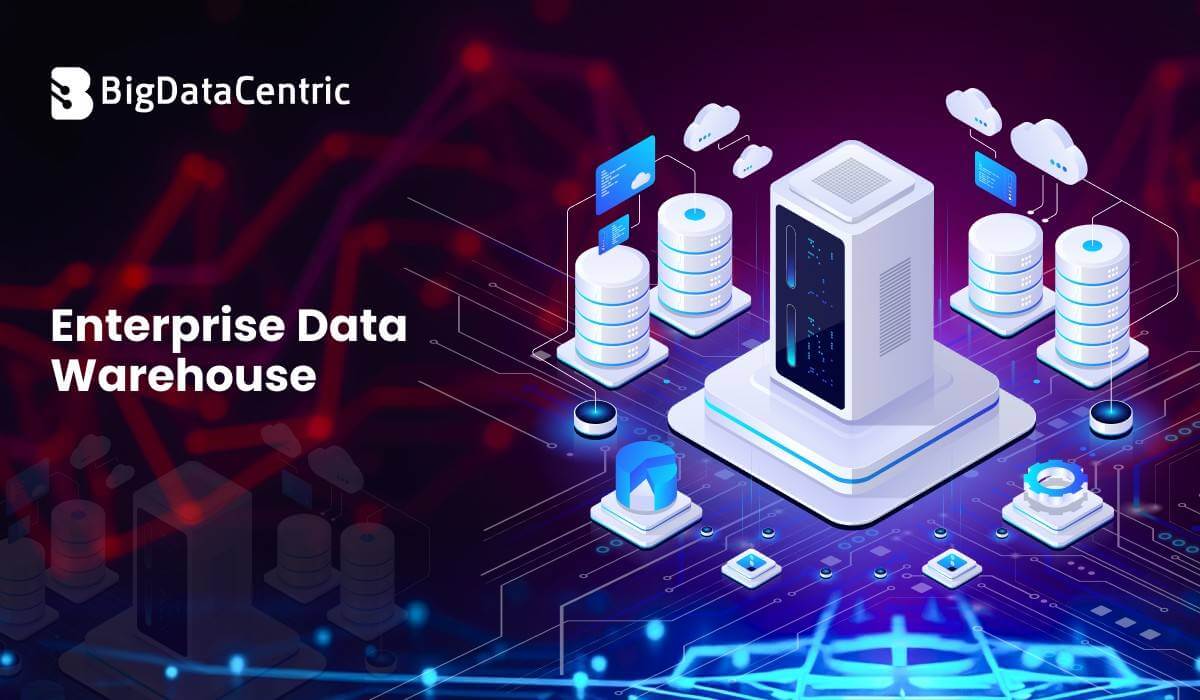
An Enterprise Data Warehouse (EDW) is a centralized repository that stores integrated data from multiple sources across an organization.
It is designed to:
- Consolidate structured data
- Enable analytics and reporting
- Support business intelligence (BI)
- Provide a single source of truth
Key Characteristics of an EDW
An enterprise data warehouse typically has the following features:
Subject-Oriented
Data is organized around business domains (sales, finance, HR).
Integrated
Combines data from multiple systems into a unified format.
Time-Variant
Stores historical data for trend analysis.
Non-Volatile
Data is stable and not frequently updated or deleted.
How Does an Enterprise Data Warehouse Work?
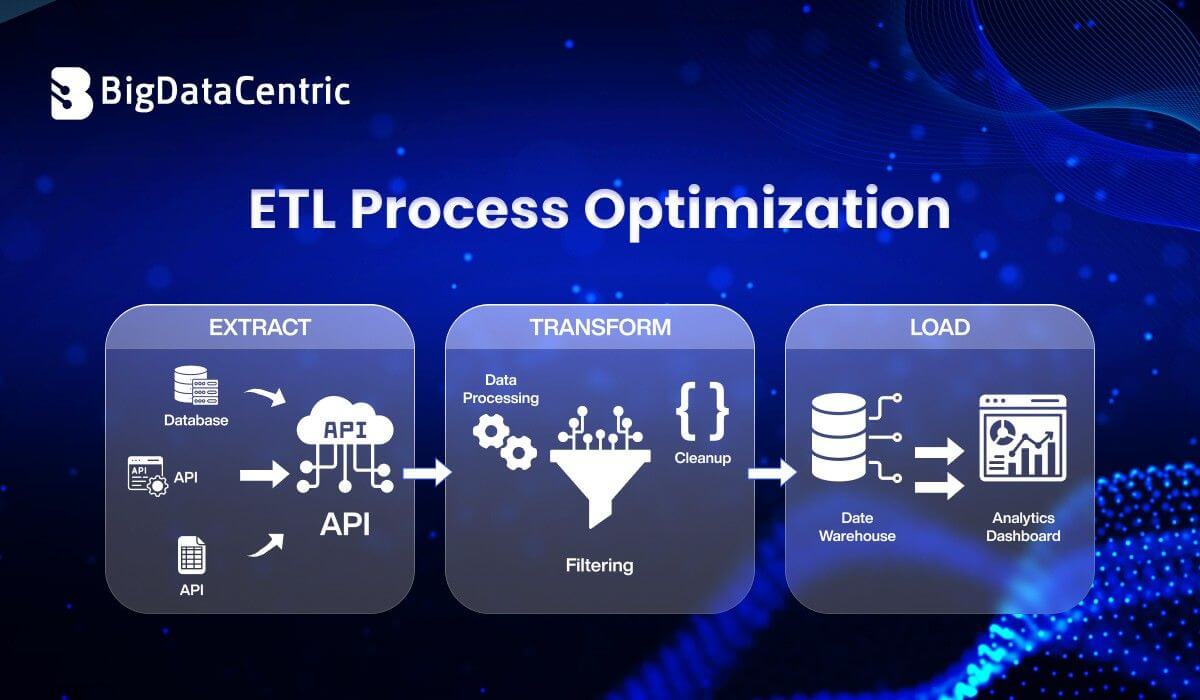
An EDW follows a structured data pipeline:
Data Extraction (ETL/ELT)
Data is collected from various sources:
- Databases
- APIs
- Applications
- IoT devices
Data Transformation
Raw data is cleaned and transformed:
- Remove duplicates
- Standardize formats
- Apply business rules
Python Example: Data Transformation
import pandas as pd

# Sample raw data
data = {
   "name": ["Alice", "Bob", "Alice"],
   "sales": [100, 200, 100]
}

df = pd.DataFrame(data)

# Remove duplicates
df_cleaned = df.drop_duplicates()

print(df_cleaned)
Data Loading
Cleaned data is loaded into the warehouse.
Data Storage
Stored in structured formats like:
- Star schema
- Snowflake schema
Data Analysis & Reporting
Business users access data through:
- Dashboards
- Reports
- Analytics tools
Architecture of Enterprise Data Warehouse
A typical EDW architecture includes:
- Data sources
- ETL/ELT pipelines
- Data staging area
- Data warehouse storage
- BI and analytics layer
Types of Data Warehouses
Enterprise Data Warehouse (EDW)
Centralized, organization-wide system.
Data Mart
Department-specific subset of data.
Operational Data Store (ODS)
Supports real-time operational reporting.
Benefits of Enterprise Data Warehouse
- Centralized Data Management
- Improved Data Quality
- Faster Decision-Making
- Historical Data Analysis
- Enhanced Business Intelligence
Real-World Use Cases
EDWs are used in:
- Banking → Risk analysis, fraud detection
- Retail → Customer insights, inventory management
- Healthcare → Patient data analysis
- Telecom → Network optimization
- E-commerce → Sales and behavior analytics
Security in Enterprise Data Warehouse
Security measures include:
- Data encryption
- Access control (RBAC)
- Data masking
- Audit logging
Challenges in EDW Implementation
- High initial cost
- Complex data integration
- Data latency
- Maintenance overhead
- Scalability issues (on-prem systems)
Modern Enterprise Data Warehouses
Cloud-based EDWs are becoming popular:
- Scalable
- Cost-efficient
- Easy to maintain
Popular platforms include:
- Snowflake
- Amazon Redshift
- Google BigQuery
- Azure Synapse
ETL vs ELT
| Approach | Process Stage | Description |
|---|---|---|
| ETL | Transform → Load | Data is transformed before loading into the warehouse |
| ELT | Load → Transform | Data is loaded first, then transformed inside the warehouse |
Modern systems often prefer ELT for flexibility.
Python Example: Simple Data Load Simulation
import sqlite3

# Connect to database
conn = sqlite3.connect("edw.db")
cursor = conn.cursor()

# Create table
cursor.execute("CREATE TABLE IF NOT EXISTS sales (name TEXT, amount INTEGER)")

# Insert data
cursor.execute("INSERT INTO sales VALUES ('Alice', 100)")
conn.commit()

print("Data loaded into warehouse")
Future of Enterprise Data Warehousing
Trends shaping EDWs:
- Cloud-native architectures
- Real-time analytics
- Integration with AI/ML
- Data lakehouse models
- Automated data pipelines
Unlock Business Insights
Transform your data into actionable insights with advanced analytics.
Conclusion
An Enterprise Data Warehouse (EDW) is a critical component of modern data architecture, enabling organizations to centralize data, gain insights, and make informed decisions.
By integrating data from multiple sources and providing a unified view, EDWs empower businesses to:
- Improve analytics
- Enhance reporting
- Drive strategic growth
As data continues to grow, adopting scalable and secure EDW solutions is essential for long-term success.


Jayanti Katariya is the CEO of BigDataCentric, a leading provider of AI, machine learning, data science, and business intelligence solutions. With 18+ years of industry experience, he has been at the forefront of helping businesses unlock growth through data-driven insights. Passionate about developing creative technology solutions from a young age, he pursued an engineering degree to further this interest. Under his leadership, BigDataCentric delivers tailored AI and analytics solutions to optimize business processes. His expertise drives innovation in data science, enabling organizations to make smarter, data-backed decisions.