Intelligent Test Automation: What Makes it Smarter?

Jayanti Katariya
Last Updated: February 03, 2026 Total View: 68
Get in Touch With Us
Submitting the form below will ensure a prompt response from us.
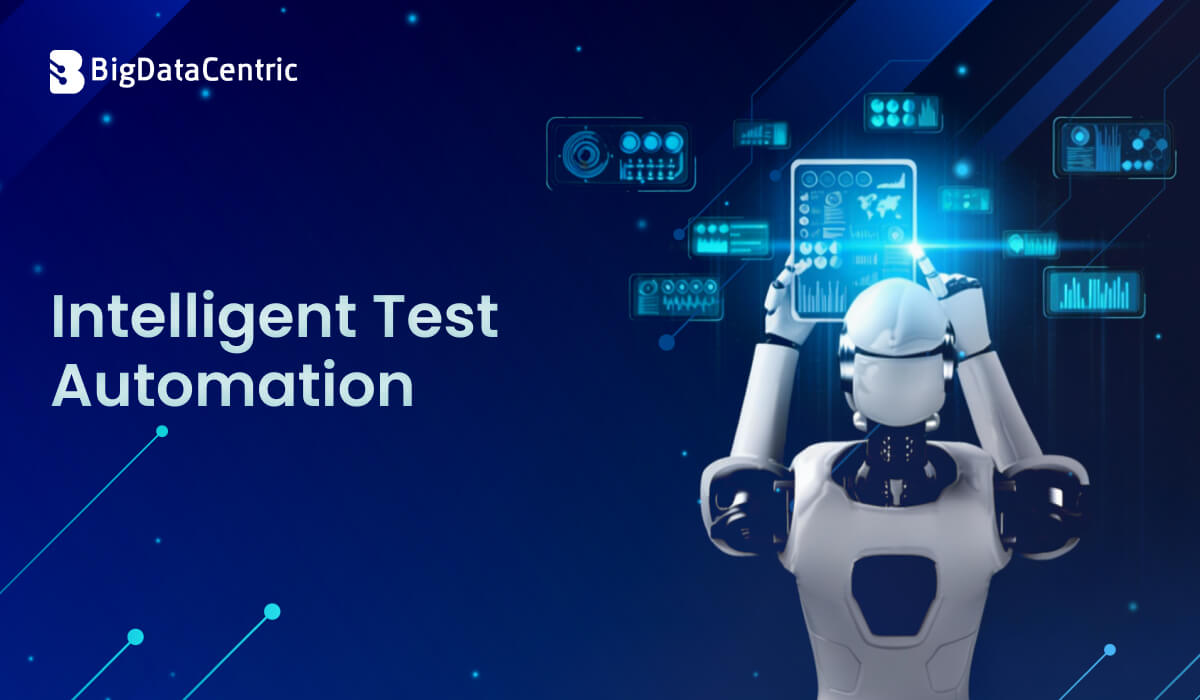
As software delivery cycles shrink and applications grow more complex, traditional test automation often struggles to keep up. This is where intelligent test automation comes into play. By combining artificial intelligence (AI), machine learning (ML), and analytics with automation frameworks, intelligent test automation makes testing faster, more reliable, and easier to maintain.
This article explains what intelligent test automation is, how it differs from conventional automation, and why it is becoming essential for modern QA teams.
What is Intelligent Test Automation?
Intelligent test automation is an advanced testing approach that enhances traditional automated testing with AI-driven capabilities such as:
- Self-healing test scripts
- Smart test case prioritization
- Automated test generation
- Anomaly detection
- Predictive defect analysis
Instead of relying solely on static scripts, intelligent systems learn from historical test data and application behavior.
Intelligent Test Automation vs Traditional Automation
| Aspect | Traditional Automation | Intelligent Test Automation |
|---|---|---|
| Script Maintenance | Manual and frequent | Self-healing |
| Test Coverage | Limited | Adaptive and optimized |
| Failure Analysis | Manual debugging | AI-driven insights |
| Scalability | Moderate | High |
| CI/CD Integration | Basic | Advanced |
Benefits of Intelligent Test Automation
For QA Teams
- Less script maintenance
- Faster test cycles
- Improved test reliability
For Businesses
- Faster time-to-market
- Reduced testing costs
- Higher product quality
Core Components of Intelligent Test Automation
AI-Powered Test Case Generation
AI models analyze user behavior, logs, and requirements to automatically generate test cases.
Benefits:
- Reduced manual effort
- Better edge-case coverage
- Faster test design
Self-Healing Test Scripts
UI changes often break traditional tests. Intelligent automation identifies changes and updates locators automatically.
Example:
- Button ID changes
- Layout shifts
- Dynamic UI elements
Smart Test Prioritization
Not all tests need to run every time. Intelligent test automation prioritizes test execution based on risk and impact.
Python Example: Intelligent Test Prioritization
Below is a simple Python script that prioritizes tests based on historical failure rates.
tests = {
    "login_test": 0.7,
    "checkout_test": 0.9,
    "profile_update_test": 0.3,
    "search_test": 0.2
}

# Sort tests by failure probability
prioritized_tests = sorted(tests.items(), key=lambda x: x[1], reverse=True)

for test, risk in prioritized_tests:
    print(f"Run {test} first (risk score: {risk})")
This helps teams catch critical failures earlier in the pipeline.
Intelligent Test Automation in CI/CD Pipelines
When integrated into CI/CD:
- Tests run automatically on every commit
- Failures are analyzed in real time
- Feedback loops are shortened
This improves release velocity and software quality.
Python Example: Simple Test Result Analyzer
test_results = [
    {"test": "login", "status": "pass"},
    {"test": "checkout", "status": "fail"},
    {"test": "search", "status": "pass"}
]

failed_tests = [t for t in test_results if t["status"] == "fail"]

print("Failed Tests:", failed_tests)
In intelligent systems, this data feeds ML models for prediction and optimization.
Popular Tools Supporting Intelligent Test Automation
- Testim
- Mabl
- Functionize
- Applitools
- Selenium with AI extensions
These tools enhance standard automation frameworks with intelligence layers.
Use Cases
- UI regression testing
- API testing
- Cross-browser testing
- Mobile application testing
- Continuous testing in DevOps
Challenges and Considerations
Despite its advantages, intelligent test automation requires:
- Quality historical test data
- Skilled QA engineers
- Initial setup investment
- Trust in AI-driven decisions
Organizations should adopt it incrementally.
Future of Intelligent Test Automation
The future includes:
- Generative AI for test creation
- Autonomous testing systems
- Natural language test authoring
- Predictive quality engineering
Testing is evolving from a validation activity into a strategic quality function.
Upgrade Your QA with Intelligent Automation
We help teams implement AI-powered test automation to deliver faster, smarter releases.
Conclusion
Intelligent test automation represents the next evolution of software testing. Embedding AI and ML into automation frameworks reduces maintenance overhead, improves test coverage, and accelerates delivery cycles.
For organizations practicing DevOps and continuous delivery, intelligent test automation is no longer optional—it’s a competitive advantage that ensures speed without sacrificing quality.

About Author
Jayanti Katariya is the CEO of BigDataCentric, a leading provider of AI, machine learning, data science, and business intelligence solutions. With 18+ years of industry experience, he has been at the forefront of helping businesses unlock growth through data-driven insights. Passionate about developing creative technology solutions from a young age, he pursued an engineering degree to further this interest. Under his leadership, BigDataCentric delivers tailored AI and analytics solutions to optimize business processes. His expertise drives innovation in data science, enabling organizations to make smarter, data-backed decisions.