MongoDB vs PostgreSQL: Which One Should You Choose?

 Total View: 288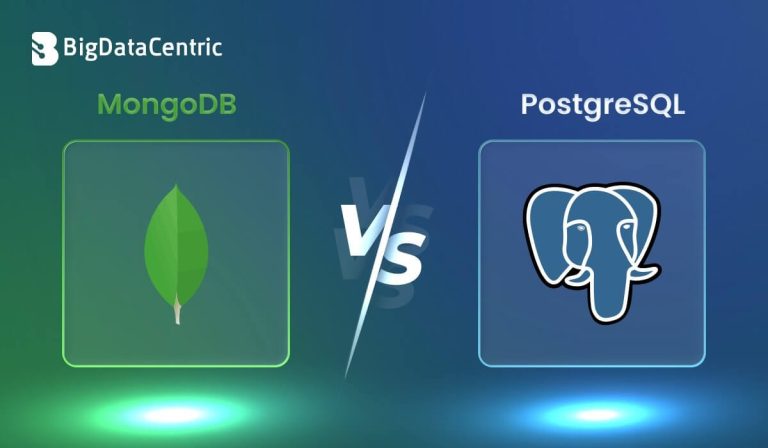
Submitting the form below will ensure a prompt response from us.
Choosing the right database is critical for application performance and scalability. Two of the most popular databases today are MongoDB and PostgreSQL.
But how do they compare, and which one is better for your use case?
What is MongoDB?
MongoDB is a NoSQL database that stores data in flexible, JSON-like documents.
Key Features:
- Schema-less design
- High scalability
- Document-based storage (BSON)
- Ideal for unstructured or semi-structured data
What is PostgreSQL?
PostgreSQL is a powerful relational database that uses structured tables and SQL.
Key Features:
- Strong ACID compliance
- Advanced SQL support
- Complex queries and joins
- Highly reliable and consistent
MongoDB vs PostgreSQL: Key Differences
| Feature | MongoDB | PostgreSQL |
|---|---|---|
| Database Type | NoSQL | Relational (SQL) |
| Schema | Flexible | Fixed |
| Data Format | JSON/BSON | Tables (rows/columns) |
| Scalability | Horizontal | Vertical + limited horizontal |
| Transactions | Limited (multi-doc supported now) | Strong ACID |
| Query Language | MongoDB Query Language | SQL |
Data Model Comparison
MongoDB (Document-Based)
{
 "name": "Alice",
 "age": 25,
 "skills": ["Python", "AI"]
}
PostgreSQL (Relational Table)
CREATE TABLE users (
   name TEXT,
   age INT
);
Python Example: MongoDB Connection
from pymongo import MongoClient

client = MongoClient("mongodb://localhost:27017/")
db = client["testdb"]
collection = db["users"]

collection.insert_one({"name": "Alice", "age": 25})
Python Example: PostgreSQL Connection
import psycopg2

conn = psycopg2.connect(
   dbname="testdb",
   user="user",
   password="password",
   host="localhost"
)

cursor = conn.cursor()
cursor.execute("INSERT INTO users (name, age) VALUES (%s, %s)", ("Alice", 25))
conn.commit()
Performance Comparison
MongoDB:
- Faster for read/write operations with simple queries
- Better for large-scale distributed systems
PostgreSQL:
- Better for complex queries and joins
- Strong consistency and data integrity
When to Use MongoDB?
Choose MongoDB if:
- You need a flexible schema
- Your data is unstructured
- You require horizontal scaling
- You are building real-time applications
When to Use PostgreSQL?
Choose PostgreSQL if:
- You need strong data consistency
- Your application uses complex queries
- You require transactions (banking, finance)
- Your data is structured
Security Comparison
Both databases support:
- Authentication
- Encryption
- Role-based access control
However, PostgreSQL is often preferred in highly regulated environments due to its strong compliance support.
Challenges
MongoDB:
- Less strict data validation
- Complex joins are harder
PostgreSQL:
- Less flexible schema
- Scaling can be more complex
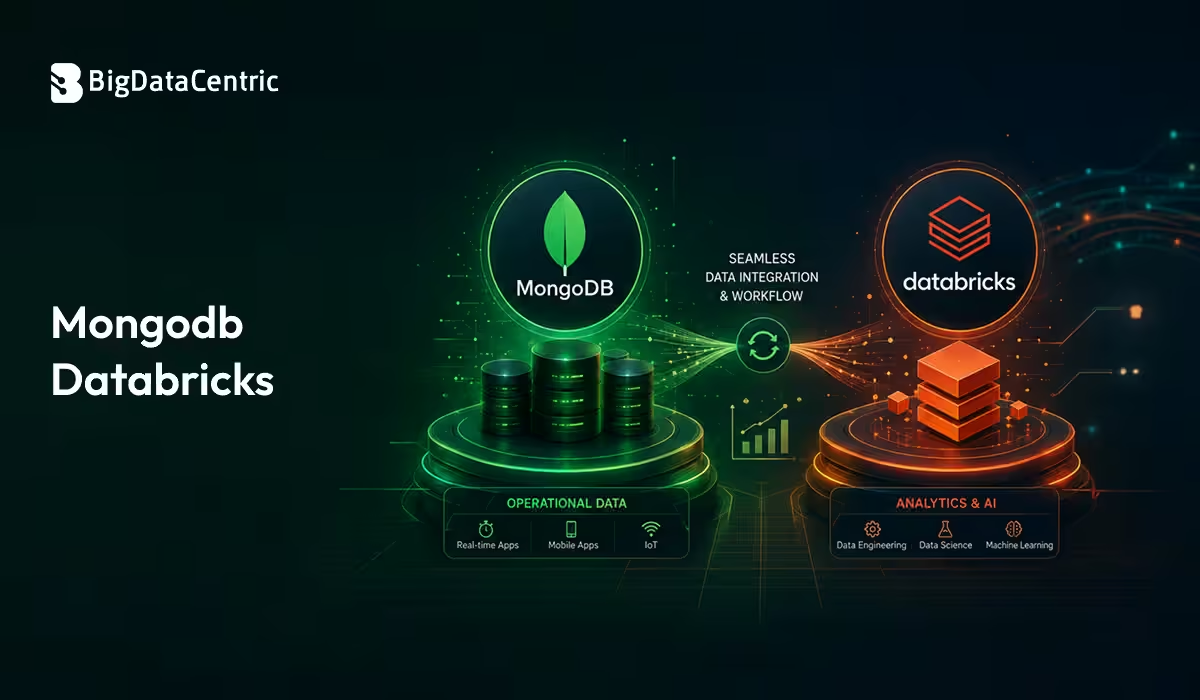
Hybrid Approach
Many modern systems use both:
- MongoDB → for flexible, fast data
- PostgreSQL → for transactional data
Choose the Right Database
Get expert guidance on selecting the best database for your application.
Conclusion
The MongoDB vs PostgreSQL debate depends on your specific use case.
- Use MongoDB for scalability and flexibility
- Use PostgreSQL for structured data and reliability
There is no one-size-fits-all solution—the best choice depends on your application requirements, data structure, and scalability needs.


Jayanti Katariya is the CEO of BigDataCentric, a leading provider of AI, machine learning, data science, and business intelligence solutions. With 18+ years of industry experience, he has been at the forefront of helping businesses unlock growth through data-driven insights. Passionate about developing creative technology solutions from a young age, he pursued an engineering degree to further this interest. Under his leadership, BigDataCentric delivers tailored AI and analytics solutions to optimize business processes. His expertise drives innovation in data science, enabling organizations to make smarter, data-backed decisions.