




Embedded Software Development: Benefits & Trends
Blog Summary:
Embedded software development powers smart, connected devices across industries. This blog covers its importance, key benefits, applications, latest innovations, future trends, and how BigDataCentric helps businesses build secure, scalable, and high-performance embedded solutions.
Modern devices are becoming smarter, faster, and more connected than ever before. From automobiles and wearable fitness trackers to medical equipment and industrial machines, intelligent functionality is driven by software that operates behind the scenes.
This is where Embedded Software Development plays a critical role. Unlike traditional software built for desktops or mobile devices, embedded software is designed to run on dedicated hardware and perform specific tasks with high efficiency and reliability.
It enables devices to process data in real time, communicate with other systems, and deliver seamless user experiences while consuming minimal resources.
As industries continue to adopt automation, IoT, artificial intelligence, and edge computing, the demand for advanced embedded solutions is growing rapidly.
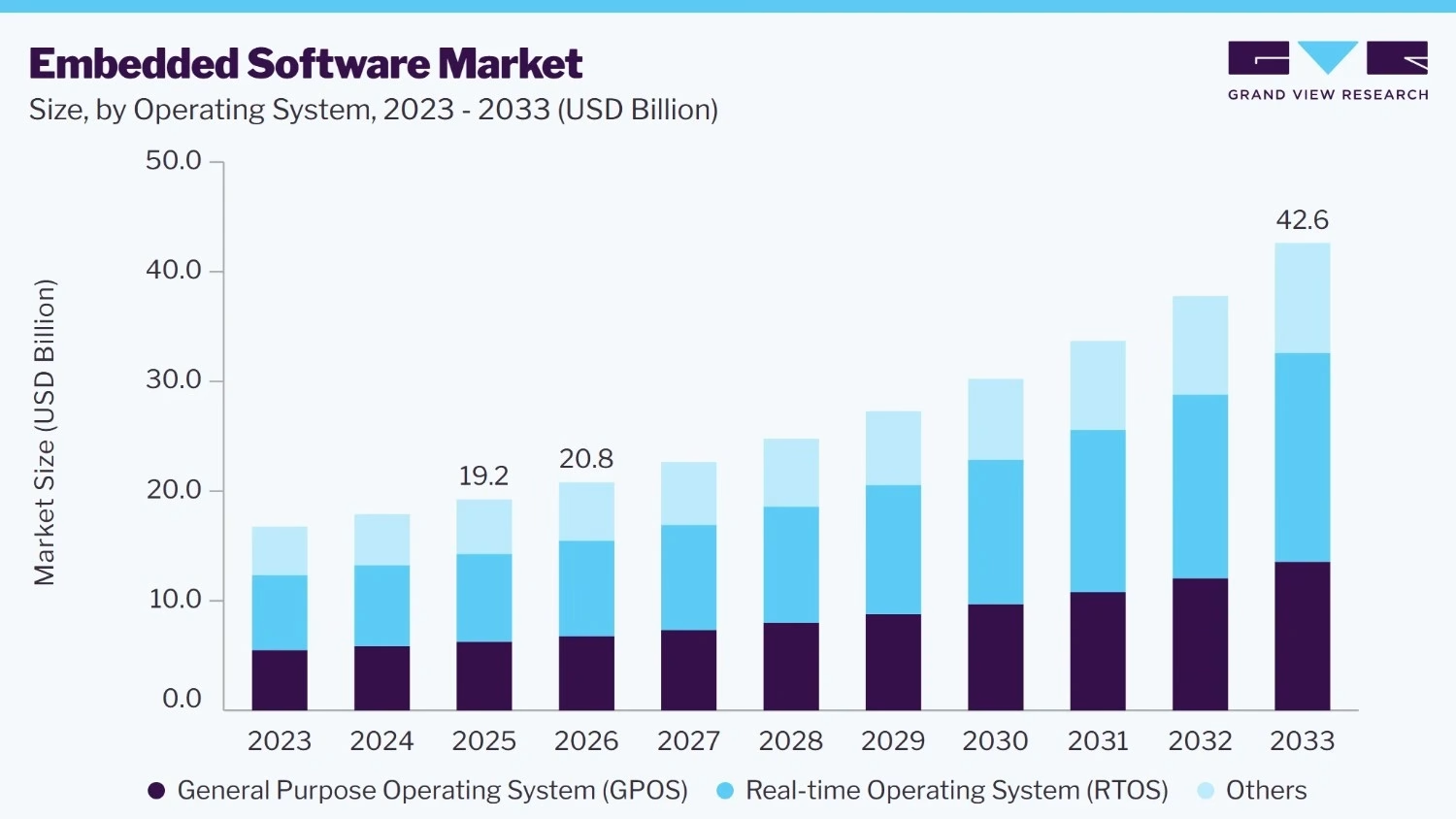
According to Grand View Research, the global embedded software market is expected to grow from USD 20.8 billion in 2026 to USD 42.6 billion by 2033, at a CAGR of 10.8%, highlighting the rising demand for embedded technologies.
Organizations across healthcare, automotive, manufacturing, aerospace, and consumer electronics rely on embedded software to build secure, scalable, and high-performance products that meet evolving customer expectations.
In this guide, we’ll explore what embedded systems development is, why it matters, its key benefits, real-world applications, the latest innovations shaping the industry, future trends, and how businesses can choose the right development partner for their next embedded project.
What is Embedded Software Development?
Embedded software development is the process of designing, developing, testing, and maintaining software that runs on dedicated hardware to perform specific functions.
Unlike traditional software for computers or smartphones, it operates within an embedded system and communicates directly with hardware components such as processors, sensors, and memory. Its primary goal is to deliver reliable, efficient, and real-time performance.
Embedded software powers devices such as automotive systems, medical equipment, industrial machines, consumer electronics, and smart home devices.
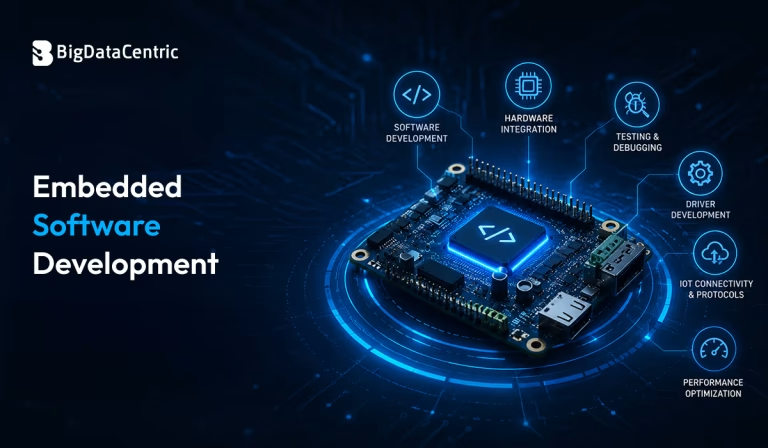
The development process includes firmware programming, hardware integration, testing, debugging, and performance optimization. Developers also use technologies like real-time operating systems (RTOS) and communication protocols to ensure smooth operation.
As industries adopt automation, IoT, AI, and edge computing, embedded software continues to drive innovation by enabling intelligent, secure, and scalable products across various sectors.
Why is Embedded Software Development Important?
Embedded software development is essential because it enables smart devices to perform dedicated tasks with speed, accuracy, and reliability.
As businesses increasingly adopt connected technologies, embedded software ensures seamless communication between hardware and software, allowing devices to operate efficiently in real time.
It plays a critical role in industries such as automotive, healthcare, manufacturing, and consumer electronics, where reliable performance is vital.
For example, vehicle safety systems, medical devices, and industrial equipment depend on embedded software to process data instantly and respond without delays.
The rapid growth of IoT, artificial intelligence (AI), edge computing, and 5G has further increased its importance. Embedded software allows devices to collect, process, and exchange data while supporting automation, predictive maintenance, and remote monitoring.
It also helps optimize hardware resources, reduce power consumption, enhance security, and improve product longevity.
As technology continues to evolve, embedded software remains a key driver of innovation, enabling businesses to build intelligent, scalable, and future-ready products that meet changing market demands.
What are the Benefits of Embedded Systems Development?
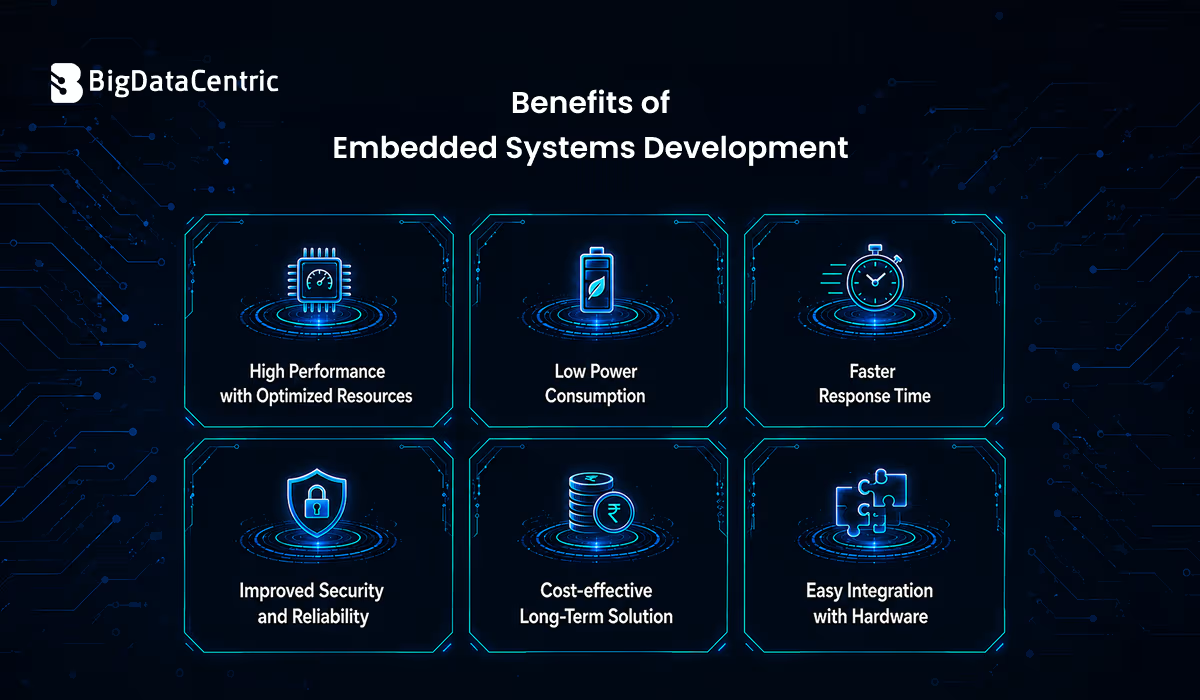
Organizations across industries invest in embedded software development because it enables devices to operate efficiently, reliably, and with minimal resource consumption.
Whether powering consumer electronics or industrial equipment, embedded software delivers several advantages that improve product performance and long-term value.
High Performance with Optimized Resources
Embedded software is designed to make the best use of available hardware resources, including processor speed, memory, and storage. This optimization ensures smooth operation even on devices with limited computing power while maintaining high performance.
Low Power Consumption
Many embedded devices, such as wearable gadgets, IoT sensors, and portable medical equipment, rely on batteries for extended periods. Efficient software design minimizes power usage, helping devices operate longer without frequent charging or maintenance.
Faster Response Time
Embedded applications are built to process data and execute tasks with minimal delay.
This fast response is essential for systems that require real-time performance, including automotive safety features, robotics, and industrial control systems, where even milliseconds can make a significant difference.
Improved Security and Reliability
Modern embedded devices often handle sensitive data and control critical operations. Secure coding practices, encrypted communication, and continuous testing help protect systems against cyber threats while ensuring stable performance in demanding environments.
Cost-effective Long-Term Solution
Although developing embedded software requires specialized expertise, well-designed solutions reduce maintenance costs, improve operational efficiency, and extend the lifespan of hardware. This makes them a cost-effective investment for businesses over the long term.
Easy Integration with Hardware
Embedded software is specifically designed to work closely with hardware components such as sensors, controllers, displays, and communication modules.
This seamless integration improves device functionality, enhances system stability, and enables reliable performance across a wide range of applications.
What are the Applications of Embedded Software Development?
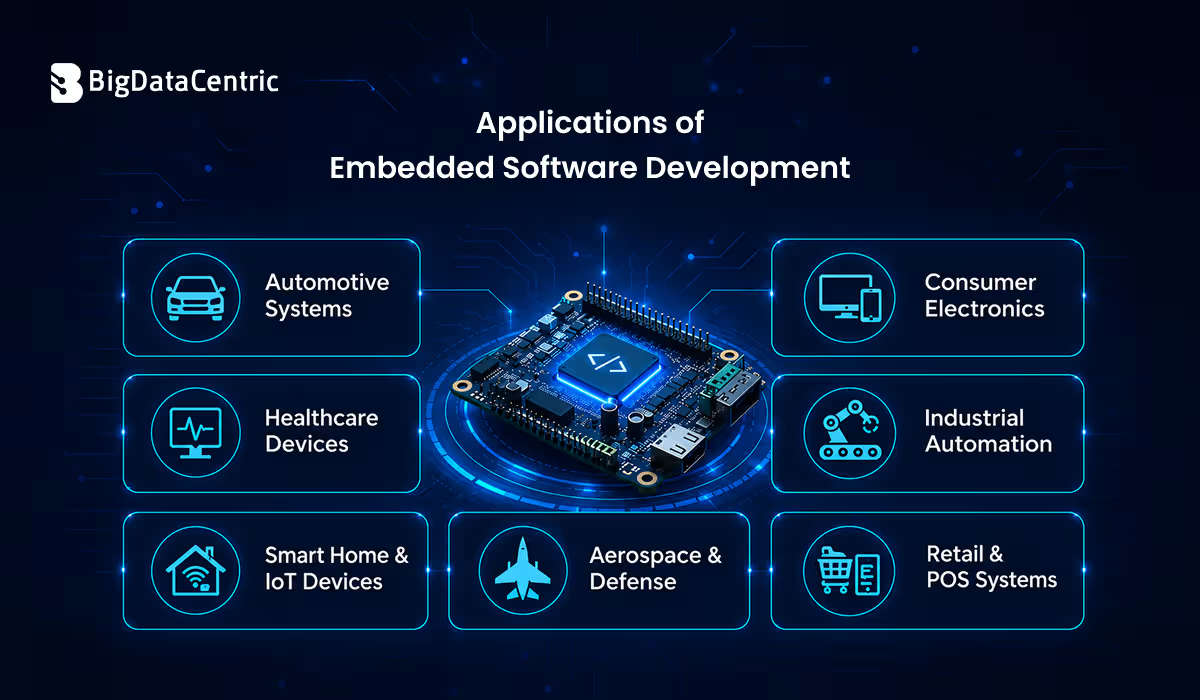
The rapid advancement of digital technologies has expanded the use of embedded software development across numerous industries. From improving operational efficiency to enabling intelligent automation, embedded software powers a wide range of devices that people use every day.
Below are some of the most common applications.
Automotive Systems
Modern vehicles rely heavily on embedded software to manage essential functions such as engine control, advanced driver assistance systems (ADAS), infotainment, navigation, and battery management in electric vehicles.
These systems improve safety, enhance driving experiences, and optimize vehicle performance.
Examples: Tesla Autopilot, Bosch Engine Control Unit (ECU), BMW iDrive.
Consumer Electronics
Embedded software is at the core of many consumer devices, including smart TVs, smartphones, digital cameras, smartwatches, gaming consoles, and home appliances. I
t enables responsive interfaces, efficient power management, and seamless connectivity with other smart devices.
Examples: Apple Watch, Samsung Smart TV, Amazon Echo.
Healthcare Devices
Medical technology depends on embedded software for accurate monitoring, diagnosis, and treatment.
Devices such as patient monitors, infusion pumps, portable diagnostic equipment, wearable health trackers, and imaging systems require reliable software to ensure precision and patient safety.
Examples: Philips Patient Monitor, Dexcom Continuous Glucose Monitor (CGM), GE MRI Scanner.
Industrial Automation
Manufacturing facilities use embedded software to control programmable logic controllers (PLCs), robotic systems, conveyor belts, and industrial sensors. These solutions improve production efficiency, reduce downtime, and support predictive maintenance for critical equipment.
Examples: Siemens PLC, ABB industrial robots, FANUC robotic systems.
Smart Home & IoT Devices
Smart thermostats, security cameras, connected lighting systems, smart locks, and voice assistants all use embedded software to automate everyday tasks. Combined with cloud connectivity, these devices deliver greater convenience, energy efficiency, and remote management capabilities.
Examples: Google Nest Thermostat, Ring Video Doorbell, Philips Hue Smart Lights.
Aerospace & Defense
Aircraft control systems, satellite communication equipment, navigation systems, drones, and defense technologies depend on highly reliable embedded software.
These applications require strict compliance with safety, security, and performance standards to operate in mission-critical environments.
Examples: Boeing Flight Management System, DJI Drones, Lockheed Martin Defense Systems.
Retail & POS Systems
Retail businesses use embedded software in point-of-sale (POS) terminals, barcode scanners, self-service kiosks, digital payment systems, and inventory management devices. These applications streamline transactions, improve customer experiences, and enhance operational efficiency.
Examples: Square POS, NCR Self-Checkout Kiosks, and Zebra Barcode Scanners.
Build Intelligent Embedded Solutions for Every Industry
Whether you’re developing connected devices or smart products, we deliver reliable embedded software that drives innovation and growth.
What are the Latest Innovations in Embedded Technology Development?
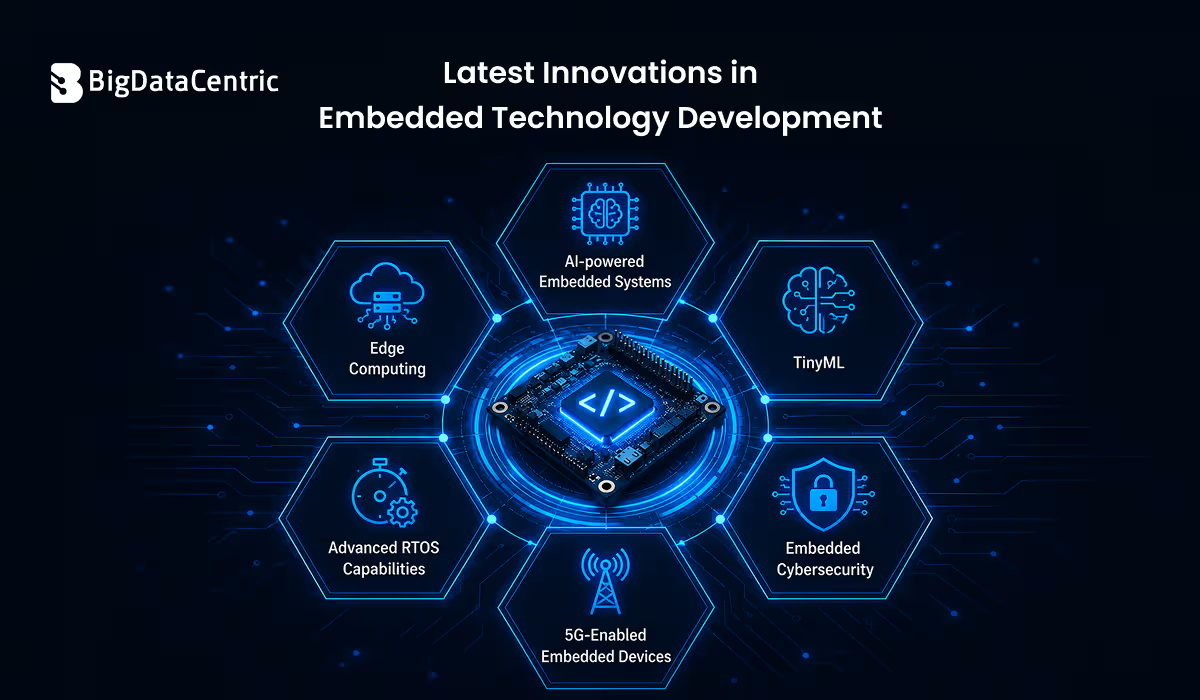
Emerging technologies are reshaping embedded software development, enabling devices to become smarter, faster, and more autonomous.
These innovations are helping businesses create intelligent products that can process data in real time, improve decision-making, and deliver enhanced user experiences.
AI-powered Embedded Systems
Artificial intelligence is transforming embedded devices by enabling features such as predictive analytics, computer vision, voice recognition, and intelligent automation. AI-powered systems can analyze data locally, reducing latency while improving operational efficiency across industries.
Edge Computing
Edge computing allows embedded devices to process data closer to its source instead of relying entirely on cloud servers.
This approach reduces response time, minimizes bandwidth usage, and improves reliability, making it ideal for applications such as autonomous vehicles, industrial automation, and smart cities.
TinyML (Machine Learning on Embedded Devices)
TinyML enables machine learning models to run directly on low-power microcontrollers and embedded devices.
This technology supports applications like predictive maintenance, environmental monitoring, wearable health devices, and gesture recognition without requiring constant cloud connectivity.
Advanced RTOS Capabilities
Modern Real-Time Operating Systems (RTOS) offer improved multitasking, resource management, and security features.
These advancements help developers build reliable applications for devices that require deterministic performance, including medical equipment, robotics, and automotive control systems.
Embedded Cybersecurity
As connected devices become more common, cybersecurity has become a critical aspect of embedded software.
Modern solutions incorporate secure boot, hardware-based encryption, authentication mechanisms, and regular firmware updates to protect devices from evolving cyber threats.
5G-Enabled Embedded Devices
The rollout of 5G technology is enabling faster communication between embedded devices, supporting ultra-low latency and higher data throughput.
This advancement benefits industries such as smart manufacturing, connected healthcare, autonomous transportation, and large-scale IoT deployments, where real-time connectivity is essential.
What are the Future Trends in Embedded Software?
The future of embedded system development is being shaped by rapid advancements in connectivity, artificial intelligence, and intelligent automation.
As industries continue to embrace digital transformation, embedded devices will become more capable, secure, and autonomous, enabling businesses to build smarter products and improve operational efficiency.
AI and Generative AI Integration
Artificial intelligence is evolving beyond cloud-based applications and moving directly into embedded devices.
AI and generative AI will enable systems to analyze data locally, make intelligent decisions, and personalize user experiences while reducing latency and bandwidth usage.
IoT Ecosystem Expansion
The growing adoption of IoT is driving demand for connected embedded devices that can communicate seamlessly with cloud platforms and other smart systems.
Industries such as healthcare, manufacturing, agriculture, and logistics are expected to deploy millions of intelligent devices over the coming years.
Autonomous Vehicles and Robotics
Autonomous self-driving vehicles, collaborative robots, and autonomous drones rely on advanced embedded software to process sensor data, navigate environments, and make real-time decisions.
As these technologies mature, embedded platforms will continue to evolve to support higher levels of automation and safety.
Digital Twins
Digital twin technology creates virtual replicas of physical devices, allowing organizations to monitor performance, simulate operating conditions, and predict maintenance requirements.
Integrating digital twins with embedded systems helps reduce downtime, improve product reliability, and optimize operational efficiency.
Low-power and Energy-efficient Computing
With the increasing use of portable and battery-powered devices, developers are prioritizing energy-efficient architectures and optimized software design.
Future embedded devices will deliver higher performance while consuming less power, extending battery life and reducing operating costs.
Secure-by-design Embedded Systems
As cyber threats continue to evolve, security will become a fundamental requirement rather than an afterthought.
Future embedded devices will incorporate secure boot mechanisms, hardware-based encryption, multi-factor authentication, and continuous firmware updates to safeguard sensitive data and critical operations.
By embracing these emerging trends, businesses can build future-ready products and gain a competitive advantage through innovative embedded software solutions that combine intelligence, efficiency, and long-term scalability.
Successful Embedded Software Development Projects Across Industries
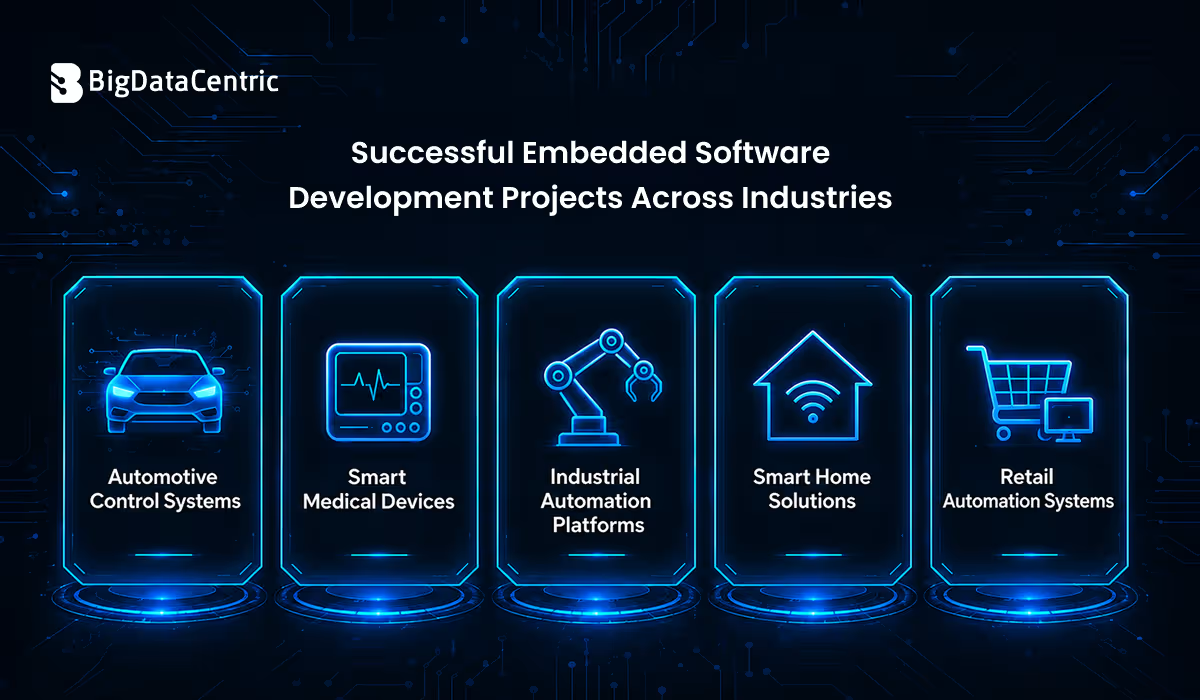
Embedded software has become the foundation of innovation across multiple industries, enabling organizations to build intelligent products, improve operational efficiency, and deliver better user experiences.
Here are some notable examples of how businesses leverage embedded technology to solve real-world challenges.
Automotive Control Systems
Leading automotive manufacturers use embedded software to power advanced driver assistance systems (ADAS), engine control units (ECUs), electronic braking systems, and infotainment platforms.
These technologies improve vehicle safety, fuel efficiency, and overall driving performance while supporting the development of connected and autonomous vehicles.
Smart Medical Devices
Healthcare organizations depend on embedded software for patient monitoring systems, wearable health devices, infusion pumps, and portable diagnostic equipment.
These solutions provide real-time data, improve diagnostic accuracy, and enable healthcare professionals to deliver faster and more effective patient care.
Industrial Automation Platforms
Manufacturing companies deploy embedded software in programmable logic controllers (PLCs), robotic assembly lines, industrial sensors, and machine monitoring systems.
These platforms automate repetitive tasks, minimize downtime, increase production efficiency, and support predictive maintenance strategies.
Smart Home Solutions
Connected home devices such as smart thermostats, security cameras, voice assistants, smart locks, and intelligent lighting systems rely on embedded software to deliver seamless automation.
These solutions enhance convenience, improve energy efficiency, and allow users to monitor and control devices remotely through mobile applications.
Retail Automation Systems
Retail businesses use embedded software to power retail automation through self-checkout kiosks, barcode scanners, digital payment terminals, inventory tracking systems, and smart vending machines.
These technologies streamline operations, reduce checkout times, improve inventory accuracy, and create a more efficient shopping experience for customers.
Organizations looking to accelerate product innovation often partner with an experienced embedded software development company that can design scalable, secure, and high-performance solutions tailored to their industry-specific requirements.
Why Choose BigDataCentric for Embedded Software Development Services?
BigDataCentric helps businesses build reliable, secure, and high-performance embedded solutions tailored to their unique requirements.
Our experienced engineers specialize in firmware development, RTOS, IoT, AI integration, and hardware-software optimization, ensuring seamless performance across industries such as automotive, healthcare, manufacturing, and consumer electronics.
From requirement analysis and system design to development, testing, deployment, and ongoing maintenance, we manage the entire development lifecycle.
By following Agile methodologies and industry best practices, we deliver scalable, future-ready embedded solutions that reduce time-to-market while maintaining the highest standards of quality, security, and reliability.
Turn Embedded Ideas Into High-Performance Smart Solutions
From firmware development to IoT and AI integration, we deliver secure, scalable embedded software solutions that power smarter devices.
Conclusion
Embedded software is at the core of today’s smart and connected devices, powering innovations across industries such as automotive, healthcare, manufacturing, and consumer electronics.
As technologies like AI, IoT, edge computing, and 5G continue to evolve, the demand for reliable and scalable embedded solutions will only grow.
Investing in high-quality embedded software helps businesses improve performance, enhance security, and accelerate innovation.
Partnering with an experienced development team ensures efficient product development, faster time-to-market, and future-ready solutions that support long-term business growth and technological advancement.
FAQs
Which language is best for embedded systems?
C is the most widely used language for embedded systems because it offers high performance, efficient memory management, and direct hardware control. C++ is also popular for building more complex embedded applications.
What are the types of embedded software?
The main types of embedded software include firmware, real-time embedded software, device driver software, embedded operating systems (RTOS), middleware, and application software, each serving a specific function within an embedded device.
Is embedded C or C++?
Both embedded C and C++ are used in embedded development. Embedded C is ideal for low-level hardware programming, while C++ is preferred for advanced applications requiring object-oriented features and code reusability.


Jayanti Katariya is the CEO of BigDataCentric, a leading provider of AI, machine learning, data science, and business intelligence solutions. With 18+ years of industry experience, he has been at the forefront of helping businesses unlock growth through data-driven insights. Passionate about developing creative technology solutions from a young age, he pursued an engineering degree to further this interest. Under his leadership, BigDataCentric delivers tailored AI and analytics solutions to optimize business processes. His expertise drives innovation in data science, enabling organizations to make smarter, data-backed decisions.


