




The Detailed Guide to Lottery App Development
Blog Summary:
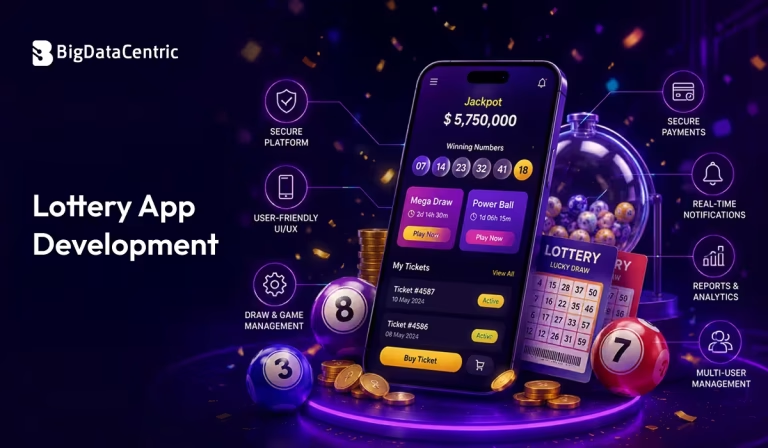
The online lottery industry is growing rapidly, creating new opportunities for businesses to launch secure and engaging digital platforms. This guide covers everything you need to know about Lottery App Development, including the current market landscape, how lottery apps work, their key features, development process, costs, and business benefits. It also highlights the essential factors to consider when building a scalable, user-friendly, and future-ready lottery application.
The lottery industry has evolved far beyond traditional paper tickets and physical retail outlets. With the rapid adoption of smartphones, secure digital payments, and online gaming platforms, players now expect the convenience of participating in lottery draws anytime and from anywhere. This shift has encouraged lottery operators and businesses to embrace digital solutions that deliver a seamless, engaging, and secure user experience.
As the demand for online lottery platforms continues to grow, Lottery App Development has become a strategic investment for organizations looking to expand their customer base and modernize their operations.
A well-designed lottery app enables users to register, purchase tickets, receive real-time draw updates, and claim winnings—all through a single platform. At the same time, businesses benefit from automated processes, improved customer engagement, and valuable insights into player behavior.
Building a successful lottery app, however, involves much more than creating an intuitive interface. From secure payment integration and random number generation to regulatory compliance and scalable infrastructure, every component plays a vital role in delivering a reliable and trustworthy platform. Businesses also need to focus on user retention by offering personalized experiences, instant notifications, and advanced security measures.
This guide explores everything you need to know about Lottery App Development, including how lottery apps work, their core features, development process, business benefits, cost considerations, and the key factors that contribute to a successful platform.
Whether you’re planning to launch a state lottery app, a private lottery platform, or a customized digital lottery solution, this guide will help you understand the essentials for building a competitive product.
Overview of the Lottery Gaming Market
The lottery industry is witnessing steady growth as more users prefer digital platforms over traditional ticket purchases. According to Grand View Research, the global online lottery market was valued at USD 120.5 billion in 2024 and is expected to reach USD 167.8 billion by 2030, growing at a CAGR of 5.7% from 2025 to 2030. This growth is fueled by increasing smartphone adoption, reliable internet access, and the growing popularity of online gaming platforms.
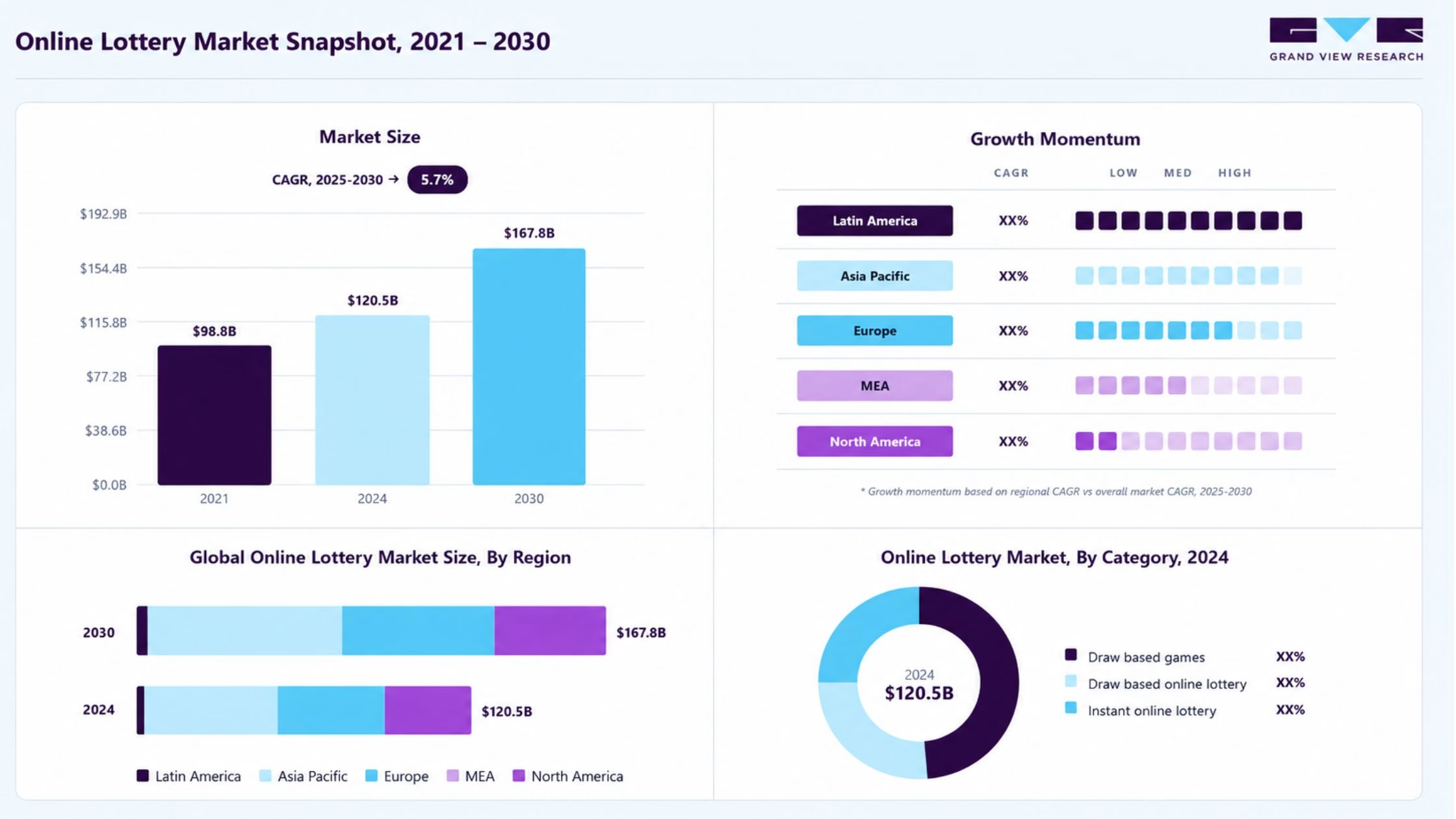
North America currently leads the online lottery market, driven by well-established digital infrastructure and the widespread adoption of secure online payment systems.
Modern lottery apps have made participation more convenient by allowing users to purchase tickets, receive instant draw updates, and check results directly from their mobile devices, significantly enhancing the overall user experience.
As consumer demand for secure and accessible lottery platforms continues to rise, businesses have a strong opportunity to invest in Lottery App Development.
By combining user-friendly interfaces with robust security features and seamless payment integration, organizations can build scalable lottery solutions that attract more players and remain competitive in this rapidly expanding market.
What are Lottery Apps?
Lottery apps are digital platforms that allow users to participate in lottery games through their smartphones or other connected devices.
Instead of visiting a physical retailer, players can create an account, purchase lottery tickets, choose their numbers, receive draw updates, and claim eligible winnings—all within a single application. These apps simplify the lottery experience while making it more accessible and convenient.
Depending on the business model, lottery apps may support national and state lotteries, private lottery games, raffle-based systems, or custom promotional campaigns. Many platforms also include features such as digital wallets, ticket scanning, automated number selection, transaction history, and real-time notifications to enhance user engagement and streamline operations.
For businesses, lottery apps offer a scalable way to reach a wider audience while reducing manual processes associated with traditional lottery systems. When built with strong security measures, regulatory compliance, and reliable payment integrations, these platforms provide a seamless experience for both operators and players, making them a valuable digital solution in today’s evolving gaming landscape.
How Do Lottery Apps Work?
Lottery apps simplify the entire lottery experience by digitizing every step, from user registration to prize payouts.
Instead of relying on physical ticket sales and manual processes, these platforms automate ticket purchases, draw management, winner verification, and payment processing. This creates a seamless experience for players while helping operators manage the platform more efficiently.
User Registration and Account Setup
The user journey begins with account creation, where players register using their email address, phone number, or social login credentials. To comply with legal requirements and prevent fraud, many platforms also require Know Your Customer (KYC) verification before allowing users to participate in paid lottery games.
Once the registration process is complete, users can set up their profiles, save preferred payment methods, and manage personal information from a centralized dashboard. Security features such as two-factor authentication (2FA) and encrypted login sessions further protect user accounts and sensitive data.
Lottery Ticket Selection and Purchase
After signing in, users can explore available lottery games and select the draw they wish to enter. Depending on the platform, they can either manually select their lucky numbers or use the Quick Pick feature, which generates numbers automatically.
Once the ticket is finalized, users can complete the purchase via secure payment gateways that support credit cards, debit cards, digital wallets, or online banking. The purchased ticket is stored digitally within the app, allowing users to access it anytime without worrying about losing a physical copy.
Draw Management and Winner Selection
When ticket sales close, the platform initiates the lottery draw based on predefined schedules. Depending on the type of lottery, the draw may use a certified Random Number Generator (RNG) or another approved mechanism to ensure fairness, transparency, and regulatory compliance.
After the draw is completed, the system automatically compares all purchased tickets against the winning numbers. This automated validation process eliminates manual errors, accelerates result generation, and ensures accurate winner identification.
Prize Distribution and Withdrawals
Once the results are declared, winners receive instant notifications through the app, email, or SMS. Smaller prize amounts are often credited directly to the user’s in-app wallet, allowing them to participate in future draws or initiate a withdrawal.
For higher-value winnings, platforms generally perform an additional identity verification process before approving the payout. After successful verification, users can securely transfer their winnings to their linked bank account or preferred payment method, ensuring a safe and transparent withdrawal experience.
Power Your Lottery Platform with Innovation
Whether you’re launching a new lottery app or upgrading an existing platform, we build secure, scalable, and customized solutions for your business.
Why Invest in Lottery App Development?
Driven by digital transformation, the growing demand for digital entertainment and mobile-first experiences has transformed the lottery industry. As more players prefer purchasing tickets online rather than visiting physical outlets, businesses have an opportunity to reach a wider audience while streamlining their operations.
Investing in lottery app development enables operators to build secure, scalable, and feature-rich platforms that cater to evolving customer expectations.
Beyond improving convenience for players, a lottery app helps businesses automate ticket sales, manage draws efficiently, and gain valuable insights into user behavior.
With the right technology and monetization strategy, organizations can enhance customer engagement, reduce operational costs, and generate long-term revenue. These advantages make lottery apps a worthwhile investment for businesses looking to establish a strong presence in the growing digital lottery market.
Benefits of Lottery App Development
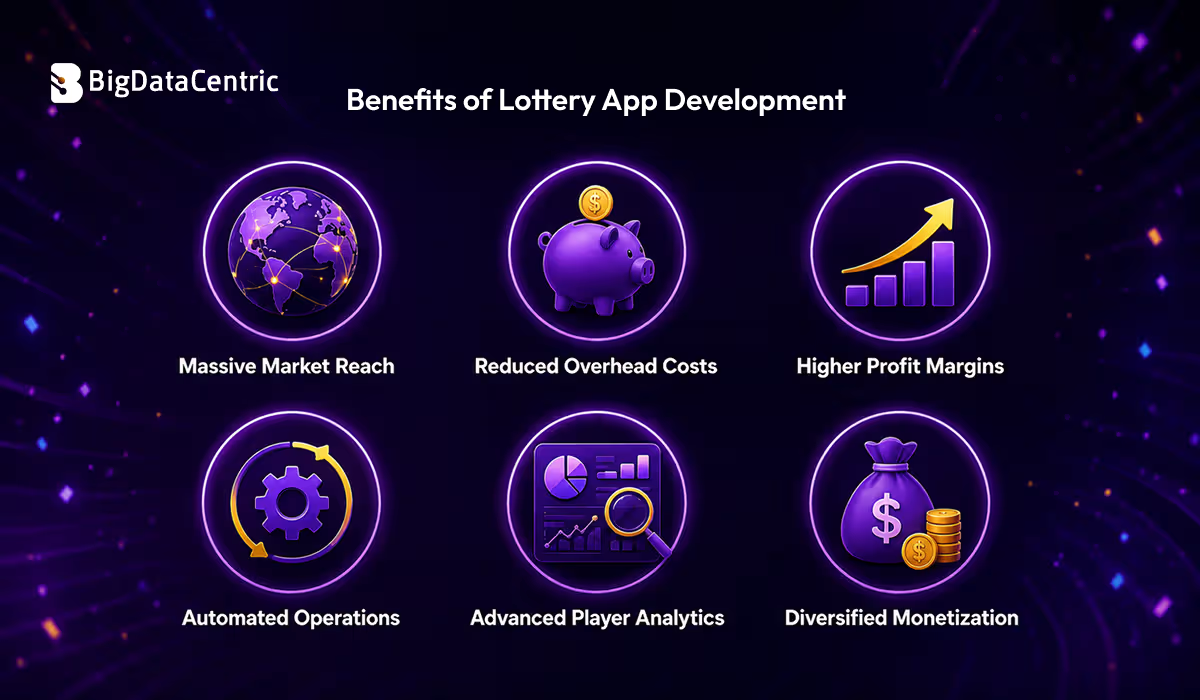
A well-designed lottery app offers more than just a digital platform for selling tickets. It helps businesses streamline operations, improve player engagement, and create multiple revenue opportunities while delivering a secure and convenient experience.
Below are some of the key benefits of investing in a modern lottery solution.
Massive Market Reach
Unlike traditional lottery systems that rely on physical retail outlets, a mobile app enables businesses to reach players anytime and from virtually anywhere. This broader accessibility helps attract a larger audience and increases participation across different regions where online lottery services are permitted.
With support for multiple devices, languages, and payment methods, businesses can expand into new markets without significant infrastructure investments. This scalability makes it easier to grow the user base and strengthen brand visibility over time.
Reduced Overhead Costs
Managing a digital lottery platform significantly reduces expenses associated with printing tickets, maintaining retail locations, and handling manual operations. Most administrative tasks, including ticket generation, sales tracking, and result processing, are automated through the platform.
Lower operational costs allow businesses to allocate more resources toward marketing, product improvements, and customer engagement. This improves overall efficiency while maximizing the return on investment.
Higher Profit Margins
Lottery apps open up multiple revenue streams beyond ticket sales. Businesses can generate additional income through premium memberships, in-app advertisements, promotional partnerships, and transaction-based service fees.
Since digital platforms require fewer physical resources and automate repetitive processes, businesses can improve profitability while serving a growing number of users with minimal additional costs.
Automated Operations
A lottery app automates essential processes such as user registration, ticket purchases, draw scheduling, winner verification, and prize distribution. This reduces manual effort while ensuring faster and more accurate operations.
Automation also minimizes the risk of human error and allows operators to manage large volumes of transactions efficiently. As a result, businesses can deliver a consistent user experience even as the platform scales.
Advanced Player Analytics
Built-in analytics tools help businesses monitor user behavior, ticket sales, participation trends, and player preferences. These insights enable operators to understand what drives engagement and identify opportunities to improve the platform.
By analyzing user data, businesses can launch personalized promotions, optimize marketing campaigns, and introduce features that align with player expectations, leading to higher retention and long-term growth.
Diversified Monetization
Modern lottery platforms support a variety of monetization models, allowing businesses to build sustainable revenue streams. In addition to ticket sales, operators can earn through subscription plans, referral programs, loyalty rewards, and sponsored campaigns.
This diversified approach reduces dependence on a single income source while creating more opportunities to increase customer lifetime value and overall business revenue.
Key Features of a Successful Lottery App
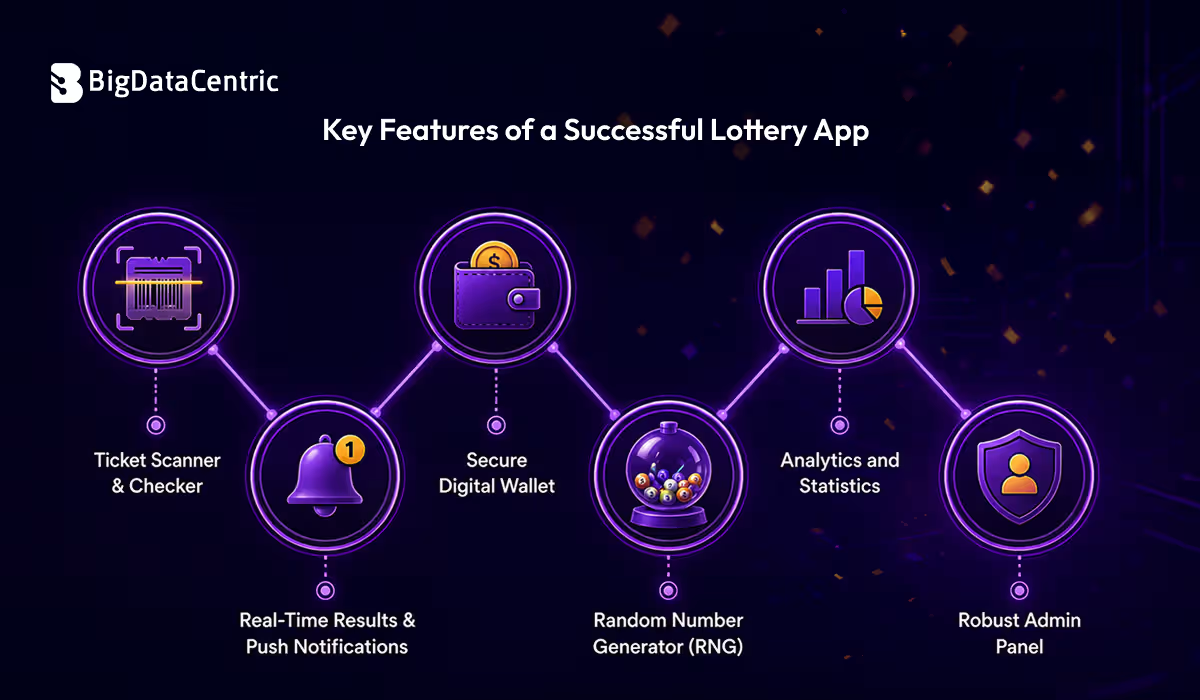
A successful lottery app combines convenience, security, and performance to deliver a seamless experience for both players and administrators. Beyond enabling ticket purchases, the platform should include features that simplify participation, ensure transparent operations, and keep users engaged.
Here are the essential features every modern lottery app should include.
Ticket Scanner & Checker
A ticket scanner allows users to scan physical lottery tickets using their smartphone camera and instantly verify the results. This eliminates the need for manual number matching and makes checking tickets faster and more convenient.
For digital lottery platforms, an automatic ticket checker validates purchased tickets against the winning numbers as soon as the draw is completed. This improves accuracy, reduces user effort, and enhances the overall experience.
Real-Time Results & Push Notifications
Real-time notifications keep users informed about upcoming draws, winning numbers, prize announcements, and promotional offers. Timely updates encourage users to stay engaged and return to the app regularly.
Push notifications also improve user retention by reminding players about ticket purchases, draw schedules, and special campaigns. Personalized alerts further enhance engagement by delivering information relevant to each user’s activity.
Secure Digital Wallet
A secure digital wallet enables users to add funds, purchase tickets, receive winnings, and manage transactions without leaving the app. Supporting multiple payment options provides greater flexibility and convenience during every transaction.
To ensure financial security, the wallet should incorporate encrypted payment processing, fraud detection mechanisms, and secure authentication. These measures help build user trust while protecting sensitive financial information.
Random Number Generator (RNG)
A certified Random Number Generator (RNG) ensures that lottery draws are conducted fairly and without bias. It generates unpredictable results, maintaining transparency and compliance with industry regulations.
Using a trusted RNG system not only strengthens the platform’s credibility but also increases player confidence by ensuring every draw is impartial and secure.
Analytics and Statistics
Analytics tools provide valuable insights into user activity, ticket sales, revenue trends, and player engagement. These reports help businesses evaluate platform performance and make informed operational decisions.
In addition to business intelligence, displaying historical draw results, winning statistics, and number trends in the app provides users with useful information that enhances their overall experience.
Robust Admin Panel
A centralized admin panel allows operators to manage users, lottery games, ticket sales, payment transactions, and promotional campaigns from a single dashboard. It simplifies daily operations while providing complete visibility into platform performance.
Advanced administrative controls also support role-based access, real-time reporting, fraud monitoring, and system configuration. This enables businesses to efficiently manage a growing user base while maintaining security and operational efficiency.
Bring Innovation to Your Lottery Business
We develop next-generation lottery applications with robust security, real-time features, and scalable technology to support your business growth.
The Process of Developing a Lottery App
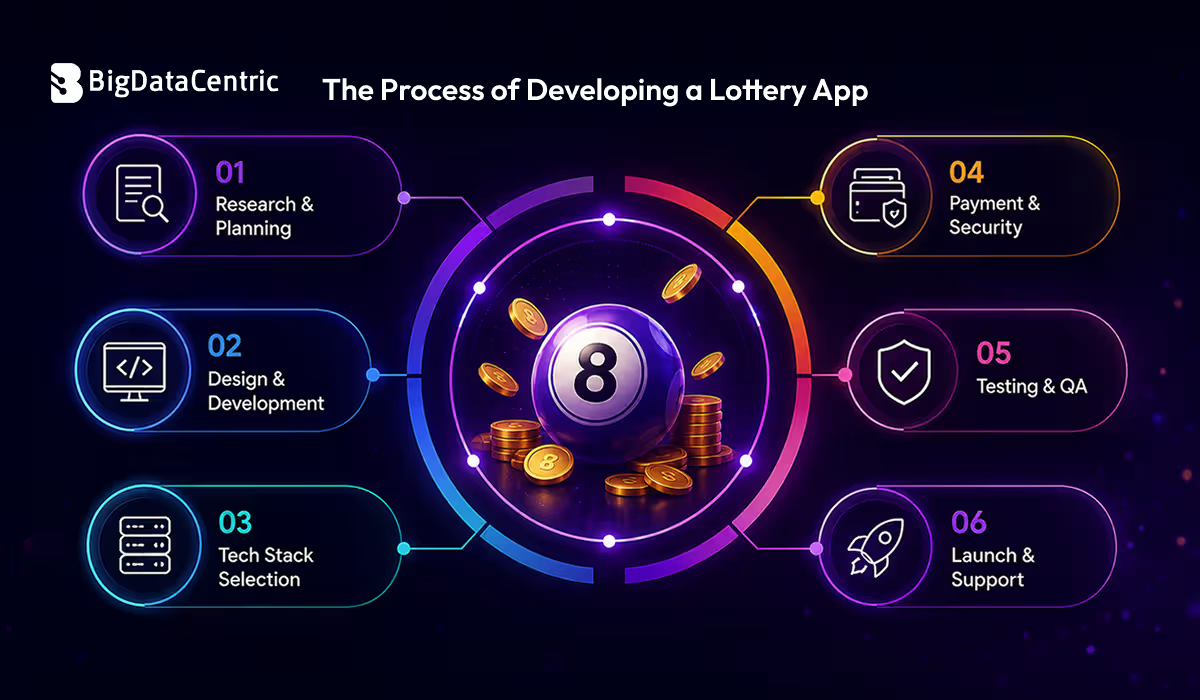
Developing a successful lottery app requires a structured approach that balances user experience, security, compliance, and scalability. From validating the business idea to maintaining the app after launch, each stage plays a crucial role in building a reliable and engaging platform.
Below is a step-by-step overview of the lottery app development process.
Market Research and Business Planning
The development process begins with understanding the target audience, market trends, and regulatory requirements. Businesses should identify the type of lottery platform they want to build, analyze competitors, and define a clear monetization strategy before starting development.
A detailed business plan also outlines the app’s core features, target markets, compliance needs, and long-term goals. This foundation helps reduce development risks and ensures the project aligns with business objectives.
UI/UX Design and App Development
Once the planning phase is complete, designers create intuitive wireframes and user interfaces that make ticket purchasing, account management, and navigation simple for users. A clean and responsive design improves engagement and encourages repeat usage.
After finalizing the design, developers build the application’s frontend and backend, integrating essential features such as user authentication, lottery management, payment processing, and notification systems to deliver a seamless user experience.
Choosing the Right Technology Stack
Selecting the right technology stack is essential for building a scalable and high-performing lottery application. The choice of programming languages, frameworks, databases, and cloud infrastructure depends on the app’s complexity, expected user base, and future expansion plans.
A reliable technology stack also supports faster performance, seamless third-party integrations, and easier maintenance. Choosing modern development tools helps ensure the platform remains secure and adaptable as business requirements evolve.
Payment Gateway and Security Integration
Secure payment processing is one of the most critical components of a lottery app. Integrating trusted payment gateways allows users to purchase tickets and withdraw winnings safely while supporting multiple payment methods for added convenience.
Alongside payment integration, implementing data encryption, multi-factor authentication, fraud detection, and regulatory compliance measures protects sensitive user information and builds trust in the platform.
Testing and Quality Assurance
Before launching the app, it undergoes comprehensive testing to identify and resolve performance issues, security vulnerabilities, and functional bugs. Testing ensures that every feature operates smoothly across different devices and operating systems.
Quality assurance also includes validating payment workflows, draw functionality, notification systems, and user experience. Addressing issues during this stage helps deliver a stable and reliable application to end users.
App Launch and Ongoing Maintenance
After successful testing, the lottery app is deployed to the relevant app stores or distribution platforms. Businesses continue monitoring the platform after launch to ensure optimal performance and quickly address any technical issues reported by users.
Regular maintenance, feature enhancements, security updates, and performance optimization are essential for keeping the application competitive. Continuous improvements based on user feedback help increase engagement and ensure long-term success.
Cost of Developing a Lottery App
The cost of developing a lottery app depends on several factors, including the app’s complexity, feature set, supported platforms, design requirements, and third-party integrations.
A basic application with essential functionalities such as user registration, ticket purchasing, payment integration, and draw management generally requires a lower investment than an enterprise-grade platform with advanced security, analytics, and multi-jurisdiction support.
Other factors that influence the overall development cost include UI/UX design, backend infrastructure, cloud hosting, compliance requirements, testing, and ongoing maintenance.
Integrating features like a digital wallet, real-time notifications, RNG systems, multilingual support, and advanced admin controls can also increase the development budget based on the project’s scope.
| App Complexity | Estimated Development Cost | Estimated Timeline |
|---|---|---|
| Basic Lottery App | $20,000 – $40,000 | 3–5 Months |
| Mid-Level Lottery App | $40,000 – $80,000 | 5–8 Months |
| Advanced Lottery App | $80,000 – $150,000+ | 8–12+ Months |
These estimates serve as a general guideline, and the actual cost may vary depending on your business requirements, technology stack, security standards, and customization needs.
Working with an experienced lottery app development company can help define the right feature set, optimize development costs, and build a scalable platform that supports long-term business growth.
How BigDataCentric Helps Build Successful Lottery Apps?
At BigDataCentric, we develop secure, scalable, and feature-rich lottery applications tailored to your business objectives. Whether you’re planning to launch a state lottery platform, a private lottery system, or a custom digital lottery solution, our team focuses on building applications that deliver seamless user experiences while meeting industry standards for security, performance, and reliability.
Our end-to-end lottery app development services cover every stage of the project—from business consultation and UI/UX design to application development, third-party integrations, quality assurance, and post-launch support.
We build robust platforms with essential features such as secure payment gateways, digital wallets, real-time notifications, RNG integration, analytics dashboards, and intuitive admin panels to help businesses manage operations efficiently.
Beyond development, we prioritize scalability and long-term success. By leveraging modern technologies, cloud infrastructure, and best security practices, we create lottery solutions that can handle growing user traffic and evolving business requirements.
Whether you need to modernize an existing platform or build a new lottery application from scratch, BigDataCentric delivers customized solutions that help you launch faster, engage more users, and achieve sustainable growth.
Create Your Next Lottery App
Partner with our experts to build a reliable lottery platform tailored to your business goals with end-to-end development and ongoing support.
Conclusion
The online lottery industry continues to grow as businesses and players embrace the convenience of digital platforms. From seamless ticket purchases and secure payment processing to automated draw management and real-time notifications, a well-developed lottery app enhances the user experience while improving operational efficiency.
With the right features, technology stack, and security measures in place, businesses can build a platform that attracts and retains players in a competitive market.
At BigDataCentric, we help businesses turn innovative lottery ideas into secure, scalable, and feature-rich digital solutions. From strategy and design to development, deployment, and ongoing support, our team delivers customized lottery applications tailored to your unique business requirements.
Whether you’re launching a new platform or modernizing an existing one, we provide the expertise and technology needed to build a reliable solution that drives user engagement and long-term business growth.
FAQs
Do lottery apps really pay out?
Yes, licensed and regulated lottery apps pay out legitimate winnings according to their terms and applicable gaming regulations. However, players should always use authorized platforms to ensure secure transactions and guaranteed prize claims.
Can AI actually pick lottery numbers?
AI can generate random or data-driven number combinations based on historical patterns, but it cannot predict future lottery results. Since lottery draws are designed to be completely random, AI cannot improve your chances of winning.
Has anybody ever won the lottery with quick picks?
Yes. Many jackpot winners around the world have won using Quick Pick, where numbers are randomly generated by the lottery system. Since every valid number combination has an equal chance of being selected, Quick Pick entries have the same odds as manually chosen numbers.
Is it better to quick pick or choose mega millions?
Neither option offers better odds. Whether you use Quick Pick or choose your own Mega Millions numbers, every ticket has the same mathematical probability of winning. The choice depends entirely on personal preference.
Which is the best lottery app to win money?
There is no single "best" lottery app that increases your chances of winning, as lottery outcomes are based on chance. The best apps are those that are licensed, secure, offer a smooth user experience, support reliable payment methods, and provide access to legitimate lottery games.


Jayanti Katariya is the CEO of BigDataCentric, a leading provider of AI, machine learning, data science, and business intelligence solutions. With 18+ years of industry experience, he has been at the forefront of helping businesses unlock growth through data-driven insights. Passionate about developing creative technology solutions from a young age, he pursued an engineering degree to further this interest. Under his leadership, BigDataCentric delivers tailored AI and analytics solutions to optimize business processes. His expertise drives innovation in data science, enabling organizations to make smarter, data-backed decisions.


