




SaaS Cloud Security: Best Practices, Tools & Strategy
Blog Summary:
In this guide, we explore SaaS Cloud Security and its role in protecting cloud-based applications and data from modern cyber threats. It covers core security layers, tools, implementation strategies, and best practices to help businesses strengthen protection, ensure compliance, and build Secure SaaS Applications efficiently.
As businesses increasingly move their operations to the cloud, SaaS platforms have become the backbone of modern digital infrastructure. From communication tools to enterprise applications, organizations rely on cloud-based software to improve agility, collaboration, and scalability. However, this rapid adoption also brings new security challenges that cannot be ignored.
SaaS cloud security plays a critical role in safeguarding cloud-hosted applications, sensitive business data, and user identities from cyber threats, misconfigurations, and unauthorized access. Unlike traditional security models, SaaS environments require a shared-responsibility approach in which both providers and organizations must actively ensure protection.
With growing concerns around data breaches, compliance requirements, and sophisticated cyberattacks, businesses must adopt a structured security approach to maintain trust and operational stability. Strong SaaS Cloud Security not only reduces risk but also ensures uninterrupted performance and regulatory readiness in a highly dynamic cloud ecosystem.
What is SaaS Security?
SaaS Security refers to the set of policies, technologies, and practices designed to protect Software-as-a-Service (SaaS) applications and the data they process. It focuses on securing cloud-hosted environments where applications are accessed over the internet rather than installed locally.
In a SaaS model, both the service provider and the customer share responsibility for security. While providers manage the infrastructure, organisations must ensure proper user access control, data protection, and secure configuration of applications.
SaaS cloud security strengthens this environment by addressing risks such as unauthorized access, data leaks, misconfigurations, and account hijacking. It ensures that sensitive business information remains protected while users can safely access applications from anywhere.
At its core, Secure SaaS Applications are built on strong authentication, encryption, continuous monitoring, and compliance-driven security controls that help maintain trust and reliability in cloud operations.
Why SaaS Cloud Security Matters?
As organizations increasingly rely on cloud-based applications for daily operations, protecting these systems becomes essential for business continuity and trust. SaaS platforms often store sensitive data such as customer information, financial records, and internal communications, making them a prime target for cyber threats.
One major concern is the rise of cyberattacks targeting cloud environments. Weak passwords, misconfigured settings, and unmanaged access points can create entryways for attackers, leading to data breaches or service disruptions.
Another important factor is regulatory compliance. Many industries must follow strict data protection standards, and failure to secure cloud applications properly can result in legal penalties and reputational damage.
The modern workforce also contributes to the complexity. Employees access SaaS tools from multiple devices and locations, increasing the need for strong identity verification and access management.
A well-secured SaaS environment helps organizations maintain control over data, improve visibility into user activity, and reduce the chances of security incidents. It also ensures smoother operations by minimizing downtime and protecting critical business workflows.
Core Layers of SaaS Security
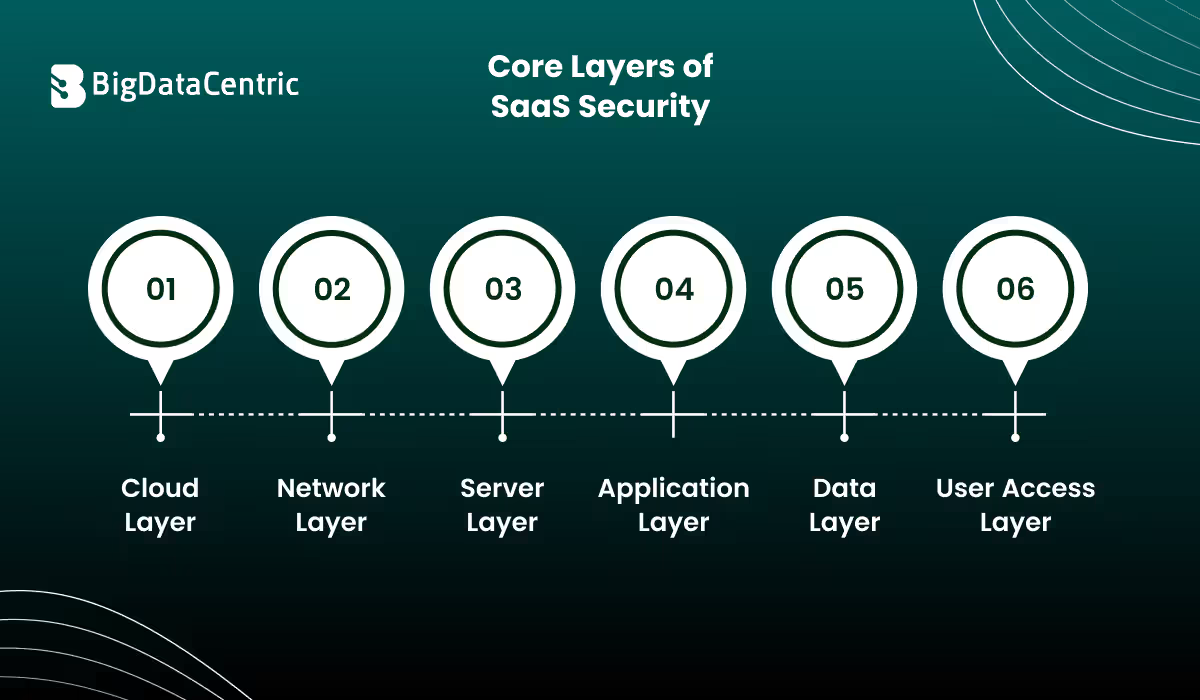
A strong SaaS Cloud Security framework is built on multiple interconnected layers, each addressing specific risks within the cloud environment. Together, these layers create a structured defense system that helps protect applications, data, and users.
Cloud Layer
The cloud layer is the base where SaaS applications are hosted. It ensures infrastructure security through virtualization protection, secure data centers, and tenant isolation. This prevents unauthorized access and avoids data leakage between multiple users in shared environments.
Network Layer
The network layer secures data transfer between users and cloud applications. It uses firewalls, encryption, intrusion detection systems, and secure APIs to block unauthorized traffic, prevent interception, and ensure safe and reliable communication across SaaS environments.
Server Layer
The server layer protects backend systems that run SaaS applications. It includes patch management, vulnerability scanning, system hardening, and continuous monitoring. These measures reduce security risks, maintain performance, and ensure server stability against evolving cyber threats.
Application Layer
The application layer focuses on securing the SaaS software itself. It includes secure coding practices, authentication controls, session management, and regular vulnerability testing to identify weaknesses early and prevent exploitation by attackers or malicious users.
Data Layer
The data layer ensures protection of sensitive information within SaaS systems. It uses encryption for data at rest and in transit, secure storage practices, and backup mechanisms to prevent data loss, unauthorized access, or corruption.
User Access Layer
The user access layer controls how users interact with SaaS applications. It includes identity management, multi-factor authentication, role-based access control, and continuous monitoring to ensure only authorized users can access systems and sensitive data securely.
Need Help Securing Your SaaS Environment?
Secure your apps and data with a structured SaaS Cloud Security approach. Identify risks, ensure compliance, and boost protection.
SaaS Security Solutions
Modern businesses rely on a combination of strategies, controls, and technologies to secure cloud-based applications. A well-designed SaaS Cloud Security solution ensures protection across infrastructure, applications, users, and data while maintaining performance and scalability.
Core Layers of SaaS Security
A strong SaaS Cloud Security approach is built across multiple layers, each addressing a specific risk area within the cloud environment:
- Cloud Layer: Focuses on securing the underlying cloud infrastructure, ensuring tenant isolation and secure hosting environments.
- Network Layer: Protects data in transit using firewalls, secure gateways, and traffic monitoring tools.
- Server Layer: Ensures system integrity through patching, vulnerability management, and secure configurations.
- Application Layer: Secures the SaaS application itself using secure coding practices, authentication, and testing.
- Data Layer: Protects sensitive information using encryption, backup strategies, and access restrictions.
- User Access Layer: Controls who can access what through identity management and role-based permissions.
Together, these layers form a multi-dimensional defense system that reduces exposure to threats.
Security Architecture and Frameworks
A structured security architecture ensures that all protective measures work together in a unified way. Many organizations adopt a zero-trust model, where every access request is continuously verified rather than automatically trusted, reflecting how cybersecurity and artificial intelligence are increasingly working together in modern security systems.
To standardize implementation, businesses often follow globally recognized frameworks such as:
- NIST Cybersecurity Framework
- ISO/IEC 27001 standards
- Cloud Security Alliance (CSA) guidelines
These frameworks help organizations define policies, manage risks, and maintain compliance while building scalable SaaS Cloud security systems.
Tools for SaaS Security
A complete security strategy is strengthened through specialized tools that address different aspects of SaaS Cloud Security:
- CASB (Cloud Access Security Broker): Monitors and controls cloud service usage to enforce security policies.
- IAM (Identity and Access Management): Manages user identities, authentication, and access permissions.
- DLP (Data Loss Prevention): Prevents sensitive data from being leaked or misused.
- SIEM (Security Information and Event Management): Collects and analyzes security logs for real-time threat detection.
- EDR (Endpoint Detection and Response): Detects and responds to threats on user devices and endpoints.
- API Security: Protects APIs from abuse, unauthorized access, and data exposure.
These tools work together to provide visibility, control, and rapid response capabilities across cloud environments.
Benefits of SaaS Cloud Security
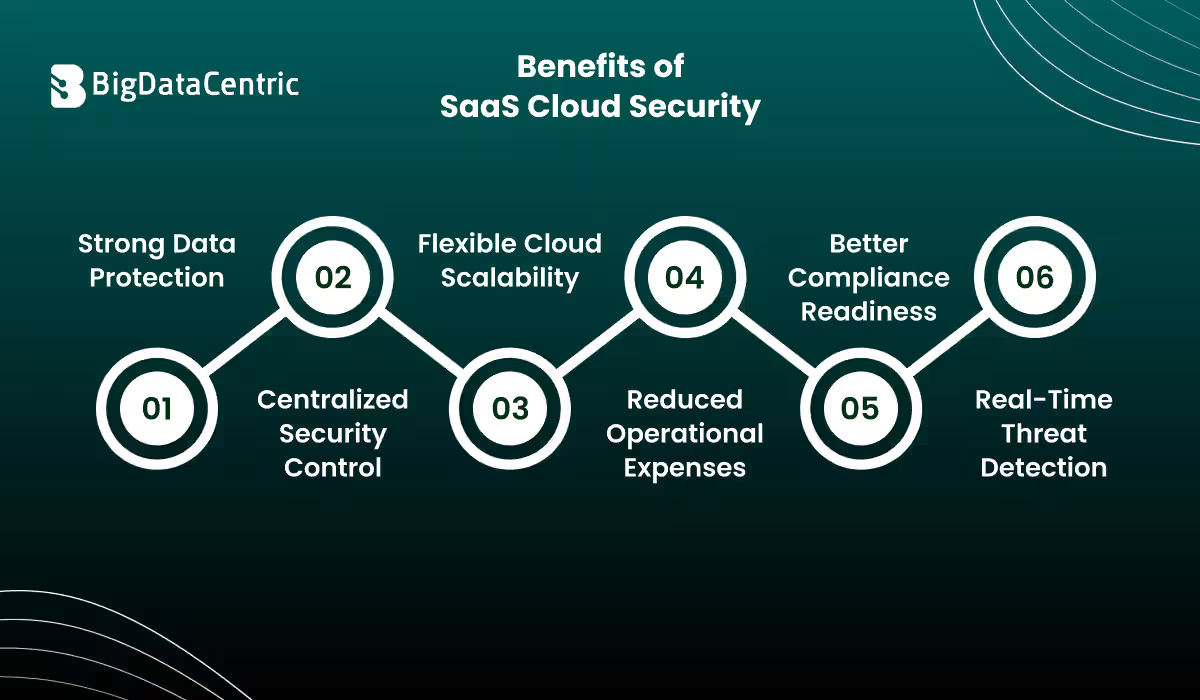
Implementing strong security measures for cloud-based applications brings multiple advantages that go beyond just protecting data. It helps organizations build trust, improve efficiency, and ensure long-term business stability.
Enhanced Data Protection and Privacy
Strong security controls protect sensitive business and customer data from unauthorized access, leaks, and cyber threats. Encryption, strict access policies, and continuous monitoring ensure data remains confidential, secure, and protected at all times, in SaaS Cloud Security.
Centralized Security Management
Centralized security management enables organizations to control policies, user access, and monitoring from a single platform. It simplifies administration, improves visibility across SaaS tools, and reduces operational complexity in managing security systems.
Scalability and Flexibility
SaaS Cloud Security solutions support business growth by scaling easily with increasing users, workloads, and applications. They maintain strong protection while adapting to changing business needs without affecting performance or system reliability.
Reduced Operational Costs
Automated security processes and proactive threat detection reduce dependency on manual efforts. This minimizes risks of breaches, system downtime, and recovery expenses, ultimately lowering overall operational and cybersecurity costs for organizations.
Improved Compliance Readiness
Strong SaaS Cloud Security frameworks help organizations meet regulatory and industry compliance standards more efficiently. Proper Data Governance ensures structured control over how data is stored, accessed, and managed across cloud systems, supporting compliance and security alignment. They ensure proper data handling, reporting, and protection practices, reducing legal risks and improving audit readiness across systems.
Real-time Monitoring and Threat Detection
Continuous monitoring helps detect suspicious activities and potential threats in real time. This enables quick response actions, preventing incidents from escalating and ensuring stronger protection of systems and sensitive data.
Build a Strong Data Governance & Cloud Strategy
Ensure consistency, control, and compliance across your data with a tailored cloud governance approach.
SaaS Security Implementation Strategy
Implementing a robust security approach for cloud-based applications requires a structured, well-planned strategy. It is not just about deploying tools, but about aligning people, processes, and technology to reduce risks and improve resilience. A Cloud Readiness Assessment helps organizations evaluate their current infrastructure, identify gaps, and determine whether systems are prepared for secure cloud adoption, in SaaS Cloud Security.
Understanding Risks and Challenges
The first step involves identifying risks such as unauthorized access, misconfigurations, data exposure, and third-party vulnerabilities. Understanding these challenges helps organizations prioritize security measures effectively and build stronger protection strategies across cloud-based environments and applications.
Integration with Existing Systems
SaaS Cloud Security solutions must integrate smoothly with existing IT infrastructure, including identity management systems, data platforms, and business applications. Proper integration ensures consistent protection, reduces complexity, and avoids disruption to workflows, productivity, and overall system performance.
Choosing the Right Security Solution
Organizations should evaluate security tools based on business requirements, scalability, performance, and compliance needs. The right solution provides visibility, automation, and centralized control, helping manage cloud environments efficiently while ensuring strong and consistent protection.
Ensuring Proper Configuration and Access Control
Even advanced security tools fail without proper configuration. Implementing strict access controls, role-based permissions, and multi-factor authentication ensures only authorized users gain access, reducing internal risks and strengthening overall SaaS Cloud Security system posture.
7 Best Practices to Secure SaaS Applications
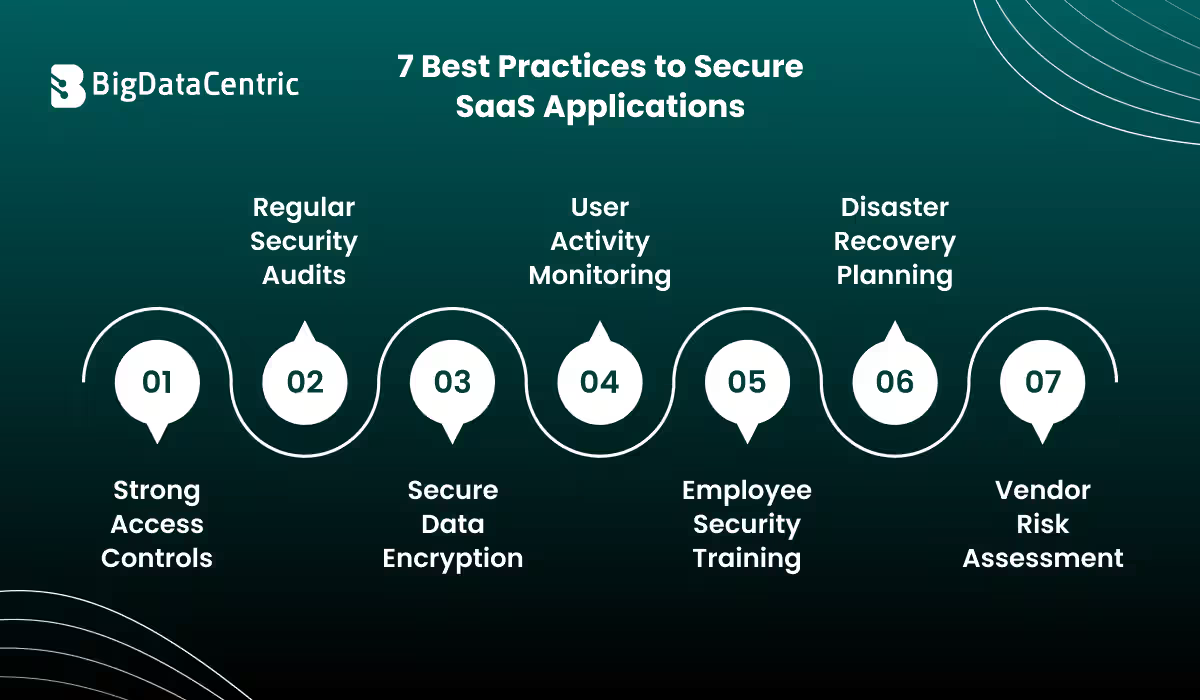
Strengthening cloud-based environments requires consistent security practices that reduce risks and improve overall system resilience. These best practices help organizations maintain control, visibility, and protection across all SaaS platforms.
Implement Strong Access Controls (MFA, SSO)
Using MFA and SSO enhances authentication by requiring multiple verification steps before access is granted. This significantly reduces unauthorized logins, strengthens identity protection, and helps prevent credential theft, misuse, and security breaches across SaaS environments, in SaaS Cloud Security.
Regular Security Audits and Assessments
Regular security audits identify vulnerabilities, configuration errors, and compliance gaps within systems. They ensure security measures remain updated, effective, and aligned with evolving cyber threats, helping organizations maintain a strong and continuously improving security posture.
Data Encryption (At Rest and In Transit)
Encryption protects sensitive data during storage and transmission by converting it into unreadable formats. Even if data is intercepted or accessed unlawfully, it remains secure and unusable without proper decryption keys, ensuring strong confidentiality and SaaS Cloud Security.
User Activity Monitoring
User activity monitoring tracks behavior across systems to detect unusual or suspicious actions in real time. It enables early threat detection, faster response, and improved visibility into system usage patterns, reducing potential risks and security incidents.
Employee Training and Awareness
Employee training helps reduce human errors that often lead to security breaches. Awareness programs on phishing, secure passwords, and safe data handling practices build a strong security culture and improve overall organizational cybersecurity resilience.
Backup and Disaster Recovery Planning
In SaaS Cloud Security, backup and disaster recovery planning ensure critical data can be restored quickly after system failures, cyberattacks, or accidental loss. It minimizes downtime, reduces financial impact, and maintains business continuity during unexpected disruptions or emergencies.
Vendor Risk Assessment
Vendor risk assessment evaluates third-party providers to ensure they follow strict security and compliance standards. It reduces dependency risks, protects shared sensitive data, and ensures external partners do not introduce vulnerabilities into SaaS environments.
Upgrade your systems with scalable, secure cloud protection built for growth and compliance.
Why BigDataCentric is a Trusted SaaS Security Partner?
BigDataCentric is a reliable partner for organizations looking to strengthen SaaS Cloud Security with a strategic and end-to-end approach. With strong expertise in cloud engineering and intelligent application development, the company focuses on building secure and scalable SaaS environments tailored to business needs.
Their solutions emphasize building SaaS Cloud Security Applications from the ground up, ensuring applications are designed with protection, performance, and scalability in mind. By integrating automation, analytics, and modern cloud practices, they help businesses reduce risks while improving operational efficiency.
BigDataCentric also provides customized implementations based on unique industry requirements, enabling better control, visibility, and compliance across cloud systems. Their approach ensures that SaaS Cloud Security is not treated as a one-time setup but as a continuous improvement process.
With ongoing monitoring, optimization, and support, they help organizations stay protected against evolving threats while maintaining system stability and reliability in dynamic cloud environments.
Conclusion
Cloud adoption has made security a critical priority for modern businesses. Protecting applications and data requires a structured approach that includes strong access controls, encryption, monitoring, and continuous risk management.
When combined with the right tools and best practices, organizations can reduce vulnerabilities and improve resilience against cyber threats. Building Secure SaaS Applications is an ongoing process that evolves with changing risks and technologies.
Businesses that invest in strong cloud protection not only safeguard their operations but also build trust, ensure compliance, and enable long-term, scalable growth in a competitive digital environment.
FAQs
What is SaaS in cloud security?
SaaS in cloud security refers to protecting cloud-hosted software applications and their data. It includes securing user access, preventing data breaches, managing identities, and ensuring safe communication between users and applications through encryption, monitoring, and access control mechanisms.
What is a SaaS vs PaaS?
SaaS delivers ready-to-use applications over the internet, while PaaS provides a platform for developers to build, deploy, and manage applications. SaaS is user-focused, whereas PaaS is developer-focused, offering tools, frameworks, and infrastructure for application development.
What are the 4 types of cloud services?
The four main cloud service types are SaaS, PaaS, IaaS, and FaaS. SaaS offers software applications, PaaS provides development platforms, IaaS delivers virtual infrastructure, and FaaS enables event-driven computing without managing servers or backend infrastructure.
Is SaaS being replaced by AI?
SaaS is not being replaced by AI. Instead, AI is being integrated into SaaS platforms to improve automation, personalization, and analytics. This combination enhances functionality, making SaaS applications smarter, more efficient, and more valuable for businesses.
What is a SaaS example?
A SaaS example includes applications like Google Workspace, Microsoft 365, Salesforce, and Dropbox. These platforms are accessed via the internet, allowing users to collaborate, store data, and manage business operations without installing software locally.


Jayanti Katariya is the CEO of BigDataCentric, a leading provider of AI, machine learning, data science, and business intelligence solutions. With 18+ years of industry experience, he has been at the forefront of helping businesses unlock growth through data-driven insights. Passionate about developing creative technology solutions from a young age, he pursued an engineering degree to further this interest. Under his leadership, BigDataCentric delivers tailored AI and analytics solutions to optimize business processes. His expertise drives innovation in data science, enabling organizations to make smarter, data-backed decisions.


