
How Does Automated Asset Tracking Work for Businesses?

Last Updated: October 19, 2026
 Total View: 58
Submitting the form below will ensure a prompt response from us.
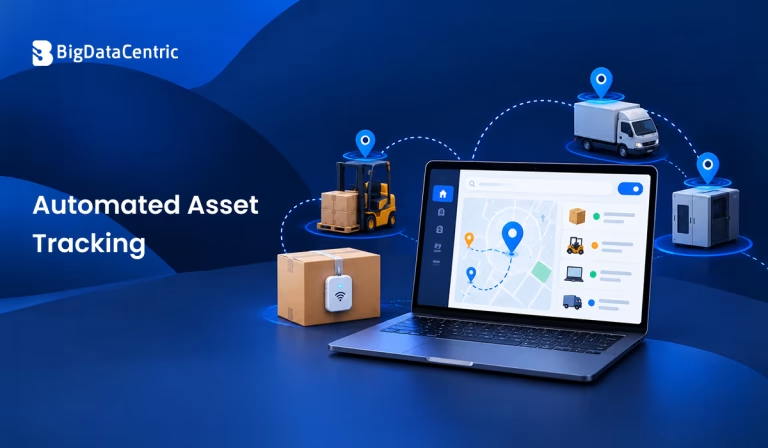
Automated asset tracking helps businesses monitor the location, status, movement, and usage of physical assets with minimal manual intervention. By using technologies such as RFID, GPS, barcodes, Bluetooth Low Energy (BLE), and Internet of Things (IoT) sensors, organizations can improve asset visibility, reduce tracking errors, and make better operational decisions.
Businesses use automated asset tracking to manage equipment, vehicles, inventory, IT devices, tools, and other valuable resources. Instead of relying on spreadsheets or manual inspections, they can automatically collect asset information and access it through centralized software.
What is Automated Asset Tracking?
Automated asset tracking identifies and monitors assets using connected technologies and software. Each asset is assigned an identifier or tracking device that allows the system to capture information such as location, movement, usage, and maintenance status.
For example, a manufacturing company can attach RFID tags to tools and equipment. When tagged assets pass through designated readers, the system records their movement and updates the asset database.
Depending on the technology, tracking can happen continuously, periodically, or whenever an asset passes a scanning point.
How Does Automated Asset Tracking Work?
An automated asset tracking system generally combines hardware, connectivity, data processing, and asset management software.
Asset Identification
Each asset receives a unique identifier through a barcode, QR code, RFID tag, GPS tracker, or connected sensor. The selected method depends on the asset type, operating environment, and required tracking accuracy.
Data Collection
Readers, scanners, sensors, or GPS-enabled devices collect information about asset location, movement, usage, or condition. Some systems require assets to pass near a reader, while others can transmit location data remotely.
Data Transmission
Collected information is transmitted to a centralized platform through technologies such as Wi-Fi, cellular networks, Bluetooth, or other IoT connectivity options.
Data Processing and Monitoring
The tracking platform processes incoming information and updates asset records. Depending on the configuration, it may identify unusual movement, detect missing equipment, or notify users when an asset enters or leaves a designated area.
Reporting and Alerts
Dashboards and reports help teams review asset utilization, movement history, maintenance requirements, and availability. Automated alerts can notify responsible employees when predefined conditions occur.
What Technologies are Used in Automated Asset Tracking?
Different tracking technologies serve different operational needs.
RFID Tracking
Radio-frequency identification (RFID) uses tags and readers to identify assets through radio signals. It is useful for tracking inventory, tools, equipment, and assets moving through warehouses or facilities.
GPS Tracking
Global Positioning System (GPS) technology helps monitor the location of vehicles, mobile equipment, and other outdoor assets. GPS tracking devices typically transmit location data via cellular or satellite networks.
Barcode and QR Code Tracking
Barcodes and QR codes provide a cost-effective way to identify assets. Scanning an identifier can retrieve details such as ownership, location records, warranty information, and maintenance history. However, this approach generally requires a person or scanning device to scan the code.
Bluetooth Low Energy (BLE)
BLE tags and beacons can support proximity-based tracking and indoor location monitoring. Accuracy depends on the deployment, receiver placement, environmental conditions, and positioning method.
IoT Sensors
IoT sensors can collect asset-condition information such as temperature, vibration, humidity, or operating status. When integrated with tracking software, these measurements help businesses monitor both asset location and condition.
What are the Benefits of Automated Asset Tracking?
Automated asset tracking can improve operational efficiency and asset management in several ways.
Improved Asset Visibility
Teams can access centralized information on asset location, status, and availability, making it easier to find equipment and spend less time searching.
Reduced Manual Work
Automated data collection reduces dependence on manual spreadsheets, repeated data entry, and routine inventory checks.
Better Asset Utilization
Usage reports help managers identify underused equipment, locate resource shortages, and make informed purchasing or allocation decisions.
Lower Loss and Misplacement Risks
Movement records, location alerts, and designated tracking zones can help businesses detect missing assets and investigate unexpected movements.
Proactive Maintenance
When tracking systems collect operating hours or sensor readings, they can support usage- or condition-based maintenance schedules and alerts.
More Accurate Reporting
Centralized records help organizations review asset movements, maintenance costs, availability, and lifecycle performance.
What are Some Examples of Automated Asset Tracking?
Automated asset tracking can support many industries and operational scenarios.
- Manufacturing: Monitor machinery, tools, and production equipment across facilities.
- Healthcare: Track medical equipment, wheelchairs, and other movable resources.
- Logistics: Monitor vehicles, containers, and shipments throughout transportation operations.
- Construction: Track machinery, tools, and equipment across multiple job sites.
- IT management: Maintain records of laptops, servers, monitors, and other company devices.
- Warehousing: Track pallets, reusable containers, and inventory movements.
For example, a construction company managing several sites can use GPS trackers for heavy equipment and RFID tags for tools. Managers can review equipment availability, identify unusual movement, and reduce unnecessary purchases caused by poor asset visibility.
How Can Businesses Implement Automated Asset Tracking?
Successful implementation starts with clear requirements and the right technology choice.
Step 1: Identify Assets and Requirements
Determine which assets need tracking, where they operate, how frequently their locations must be updated, and which information employees need to access.
Step 2: Choose the Right Tracking Technology
Select GPS for outdoor vehicle tracking, RFID for bulk identification at designated locations, or BLE for certain indoor tracking applications. Barcode and QR code systems may be sufficient when occasional scans meet operational requirements.
Step 3: Set Up the Tracking Infrastructure
Install readers, sensors, tags, gateways, or tracking devices as needed. Consider connectivity, battery life, environmental conditions, and required coverage.
Step 4: Integrate Tracking Software
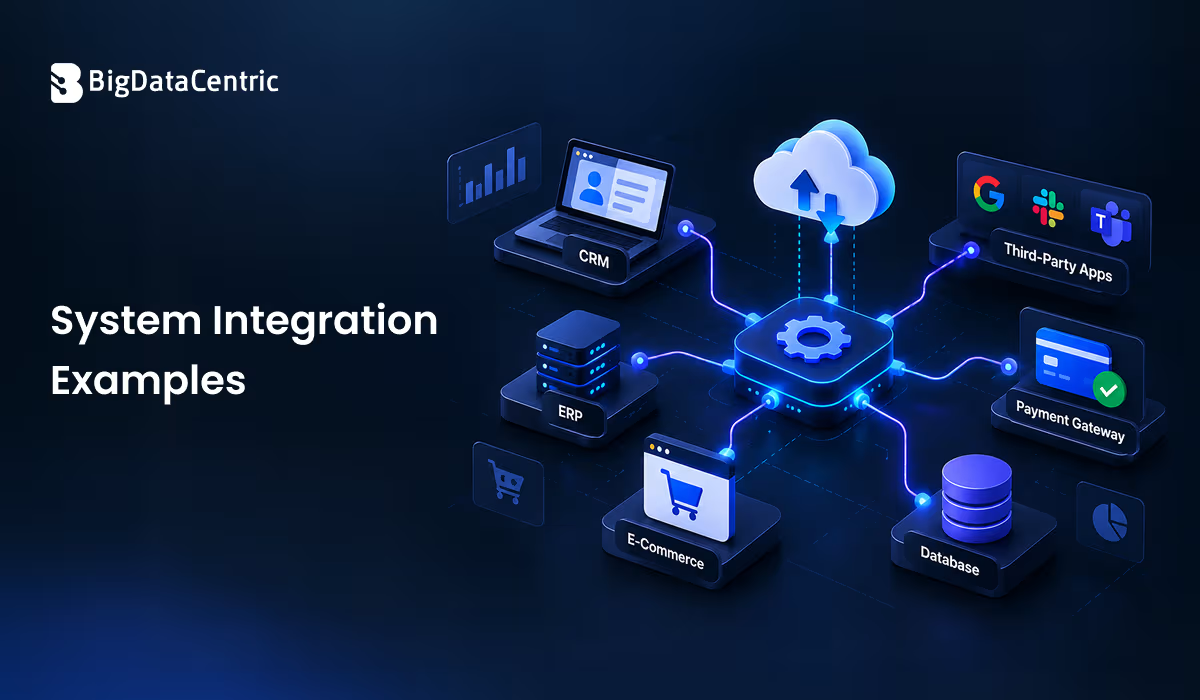
Connect the tracking hardware to an asset management platform or existing enterprise systems. APIs and middleware can help synchronize asset records with ERP, inventory, maintenance, and reporting applications. Understanding common system integration examples can help businesses plan these connections effectively.
Step 5: Configure Alerts and Reports
Set rules for low availability, unexpected movement, maintenance thresholds, or assets entering and leaving designated areas.
Step 6: Test and Optimize
Test location accuracy, data synchronization, device reliability, and alert behavior. Review system performance regularly and adjust the deployment as operational requirements change.
What Challenges Can Occur With Automated Asset Tracking?
Despite its advantages, automated asset tracking can introduce implementation challenges.
- Initial costs: Tags, sensors, readers, connectivity, and software can require upfront investment.
- Connectivity limitations: Remote or obstructed locations may affect data transmission.
- Tracking accuracy: Physical obstacles, interference, and device placement can influence location estimates.
- System integration: Legacy applications may require custom connectors or data transformation.
- Data security: Location and ownership records should be protected through appropriate access controls and secure communication.
- Ongoing maintenance: Devices may need battery replacements, calibration, software updates, or periodic inspection.
Businesses should evaluate these factors during planning and choose a solution that matches their operational needs and budget.
Automate Your Asset Tracking Workflow
Tailored software solutions that connect tracking devices, business applications, and reporting systems reduce repetitive tasks and improve asset data accuracy.
Conclusion
Automated asset tracking helps businesses monitor valuable resources, reduce manual work, and improve operational visibility. By combining technologies such as RFID, GPS, BLE, and IoT sensors with centralized software, organizations can make asset management more consistent and efficient.
The most effective solution depends on asset type, tracking frequency, location requirements, integration needs, and budget. A well-planned implementation can help businesses improve asset utilization, strengthen accountability, and support more informed operational decisions.


Jayanti Katariya is the CEO of BigDataCentric, a leading provider of AI, machine learning, data science, and business intelligence solutions. With 18+ years of industry experience, he has been at the forefront of helping businesses unlock growth through data-driven insights. Passionate about developing creative technology solutions from a young age, he pursued an engineering degree to further this interest. Under his leadership, BigDataCentric delivers tailored AI and analytics solutions to optimize business processes. His expertise drives innovation in data science, enabling organizations to make smarter, data-backed decisions.
Latest From Our Q&A
Stay updated with technical insights, industry trends, and the latest technology developments.