Cloud Infrastructure Management and Automation Explained

 Total View: 257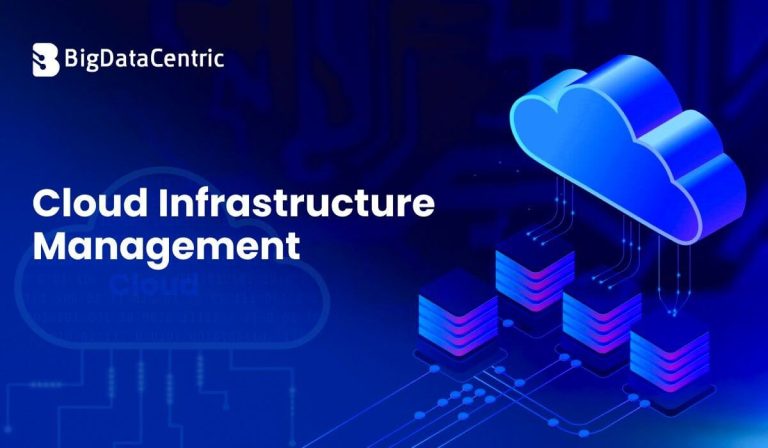
Submitting the form below will ensure a prompt response from us.
As businesses increasingly rely on cloud platforms, managing cloud resources efficiently has become essential. Organizations use multiple cloud services, virtual machines, databases, containers, and networks, all of which require continuous monitoring, optimization, maintenance, and performance management to ensure smooth operations.
This is where Cloud Infrastructure Management becomes critical.
So, what exactly is cloud infrastructure management, and why is it important?
What is Cloud Infrastructure Management?
Cloud infrastructure management is the process of monitoring, configuring, automating, and maintaining cloud-based infrastructure resources.
It includes managing:
- Virtual machines for running applications and workloads efficiently
- Storage systems to securely store, organize, and access business data
- Networks for maintaining seamless connectivity and data communication
- Containers to simplify application deployment and scalability
- Databases for managing structured and unstructured information effectively
- Security policies to control access, compliance, and threat protection
- Cloud applications to ensure high performance and uninterrupted availability
The goal is to ensure cloud systems remain:
- Scalable to handle growing workloads and user demands
- Secure against cyber threats, unauthorized access, and vulnerabilities
- Cost-efficient by optimizing cloud resource utilization and spending
- Highly available to minimize downtime and maintain business continuity
Why is Cloud Infrastructure Management Important?
Without proper management, cloud environments can become:
- Expensive
- Difficult to monitor
- Vulnerable to security threats
- Inefficient
Cloud infrastructure management helps organizations:
- Optimize resource usage
- Improve system performance
- Prevent downtime
- Maintain compliance
- Reduce operational costs
Core Components of Cloud Infrastructure Management
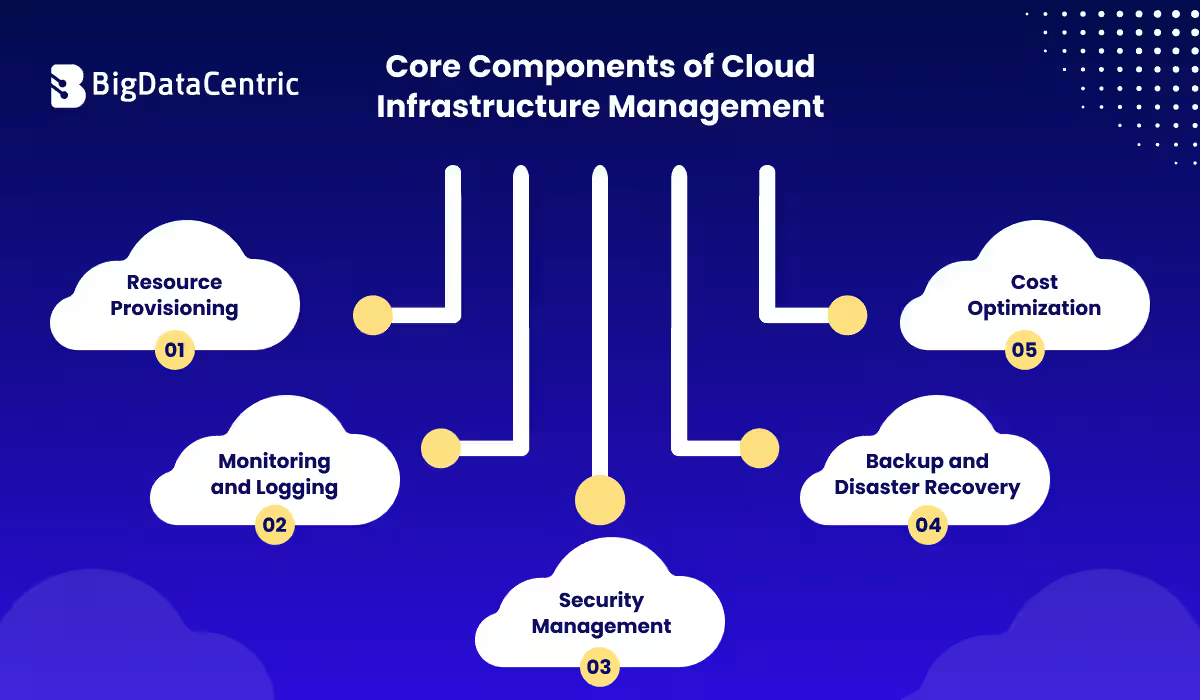
Resource Provisioning
Provisioning involves creating and allocating cloud resources such as:
- Virtual machines
- Storage volumes
- Databases
- Load balancers
Automation tools are commonly used for faster deployment.
Monitoring and Logging
Continuous monitoring helps track:
- CPU usage
- Memory consumption
- Network traffic
- Application health
Logging systems help detect and troubleshoot issues quickly.
Python Example: Basic Infrastructure Monitoring
import psutil

cpu = psutil.cpu_percent()
memory = psutil.virtual_memory().percent

print(f"CPU Usage: {cpu}%")
print(f"Memory Usage: {memory}%")
This simple example demonstrates the basics of infrastructure monitoring.
Security Management
Cloud security includes:
- Identity and access management (IAM)
- Encryption
- Firewall configuration
- Threat detection
Security is a critical part of infrastructure management.
Backup and Disaster Recovery
Cloud management ensures:
- Regular backups
- High availability
- Data recovery during failures
Cost Optimization
Organizations must monitor cloud spending to avoid unnecessary costs.
Techniques include:
- Auto-scaling
- Reserved instances
- Resource rightsizing
Benefits of Cloud Infrastructure Management
Improved Scalability
Resources can scale automatically based on demand.
Enhanced Security
Continuous monitoring reduces vulnerabilities.
Better Performance
Optimized workloads improve application speed.
Reduced Downtime
Proactive monitoring minimizes outages.
Lower Operational Costs
Automation reduces manual management efforts.
Common Cloud Infrastructure Management Tools
Popular tools include:
- Terraform – Automates infrastructure provisioning.
- Ansible – Simplifies configuration management.
- Kubernetes – Manages containerized applications.
- Prometheus – Monitors infrastructure performance.
- Grafana – Creates monitoring dashboards.
- CloudWatch – Tracks AWS resources and logs.
Cloud providers also offer native management solutions.
Cloud Infrastructure Management vs Traditional IT Management
| Feature | Traditional IT | Cloud Infrastructure |
|---|---|---|
| Scalability | Limited | High |
| Deployment Speed | Slow | Fast |
| Automation | Minimal | Extensive |
| Cost Model | Capital expense | Pay-as-you-go |
| Maintenance | Manual | Automated |
Multi-Cloud and Hybrid Cloud Management
Modern businesses often use:
Multi-Cloud
Using multiple cloud providers.
Hybrid Cloud
Combining on-premises and cloud systems.
Cloud infrastructure management tools help manage these complex environments efficiently.
Automation in Cloud Infrastructure Management
Automation is a key trend in modern cloud operations.
Common automation tasks:
- Server provisioning
- Configuration management
- Scaling
- Backup scheduling
- Security patching
Python Example: Automated Cloud Task Simulation
servers = ["Server1", "Server2", "Server3"]

for server in servers:
   print(f"Running health check on {server}")
Automation improves efficiency and consistency.
Real-World Use Cases
Cloud infrastructure management is widely used in:
- SaaS platforms – Supports scalable software delivery.
- E-commerce applications – Manages traffic and transactions efficiently.
- Banking systems – Improves security and system reliability.
- Healthcare systems – Ensures secure data management and availability.
- Streaming platforms – Handles high-volume content delivery smoothly.
Challenges in Cloud Infrastructure Management
Organizations may face:
- Complex multi-cloud environments
- Security risks
- Cost overruns
- Compliance requirements
- Skill gaps
Proper tools and governance strategies help overcome these challenges.
Automate Cloud Operations
Reduce operational complexity using cloud automation and orchestration tools.
Conclusion
So, what is cloud infrastructure management?
It is the practice of managing cloud resources, security, monitoring, and automation to ensure efficient and reliable cloud operations.
By implementing effective cloud infrastructure management strategies, organizations can:
- Improve scalability
- Reduce operational costs
- Enhance security
- Deliver better performance
As cloud adoption continues to grow, strong infrastructure management becomes essential for modern digital businesses.


Jayanti Katariya is the CEO of BigDataCentric, a leading provider of AI, machine learning, data science, and business intelligence solutions. With 18+ years of industry experience, he has been at the forefront of helping businesses unlock growth through data-driven insights. Passionate about developing creative technology solutions from a young age, he pursued an engineering degree to further this interest. Under his leadership, BigDataCentric delivers tailored AI and analytics solutions to optimize business processes. His expertise drives innovation in data science, enabling organizations to make smarter, data-backed decisions.