

How to Reduce Software Development Cost: Key Strategies
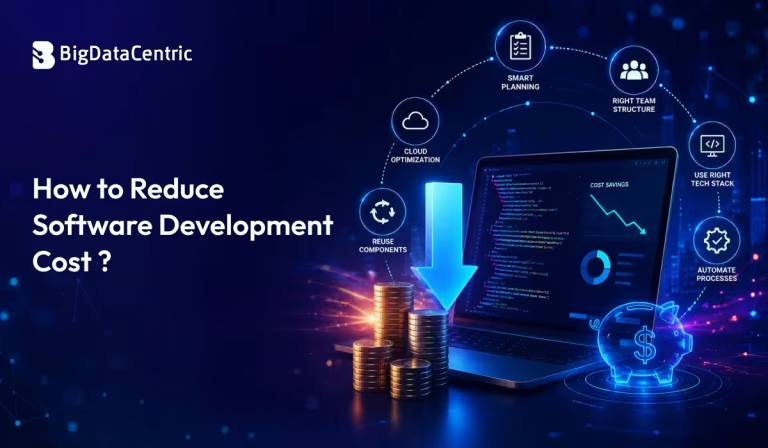
Blog Summary:
Wondering how to reduce software development cost without compromising quality? This blog explores the key factors that influence development expenses, uncovers hidden costs, and shares practical strategies to optimize your software budget. You’ll also learn how to build scalable, high-quality software while maximizing your ROI.
Building software is a significant investment, but a higher budget doesn’t always guarantee a better product. Many businesses end up spending more than expected because of unclear requirements, changing project scope, inefficient development practices, or unexpected post-launch expenses.
As projects grow, even small planning mistakes can quickly increase the overall cost of software development without adding real business value.
Understanding How to Reduce Software Development Cost starts with identifying what actually drives those expenses. Cost optimization isn’t about cutting corners or compromising quality—it’s about making informed decisions throughout the development lifecycle.
From choosing the right technology stack and development approach to managing resources effectively, every decision can influence your overall software development pricing.
Whether you’re building a new application, modernizing an existing system, or investing in software integration services, controlling costs requires careful planning and a long-term perspective.
Businesses that focus on clear project goals, efficient workflows, and scalable solutions are often able to deliver high-quality software while staying within budget.
In this guide, we’ll explore the factors that influence software development costs, uncover the hidden expenses many businesses overlook, and share practical strategies to optimize your investment without sacrificing software quality or performance.
Explained Software Development Cost
Software development cost is the total investment required to plan, design, develop, test, deploy, and maintain a software application. It includes much more than coding, covering activities such as business analysis, UI/UX design, quality assurance, infrastructure setup, deployment, and ongoing support.
Since every project has unique requirements, the overall cost to develop software can vary significantly.
Many businesses ask, how much does software cost? The answer depends on factors like project complexity, feature requirements, technology stack, development team, integrations, and scalability needs. A simple application requires fewer resources, while enterprise-grade software with advanced functionality and security demands a larger budget and a longer development timeline.
Understanding these cost drivers helps businesses make informed decisions and allocate their budgets more effectively. Instead of focusing only on reducing upfront expenses, the goal should be to optimize spending throughout the development lifecycle while delivering a scalable, high-quality software solution.
The Factors That Affect Software Development Costs
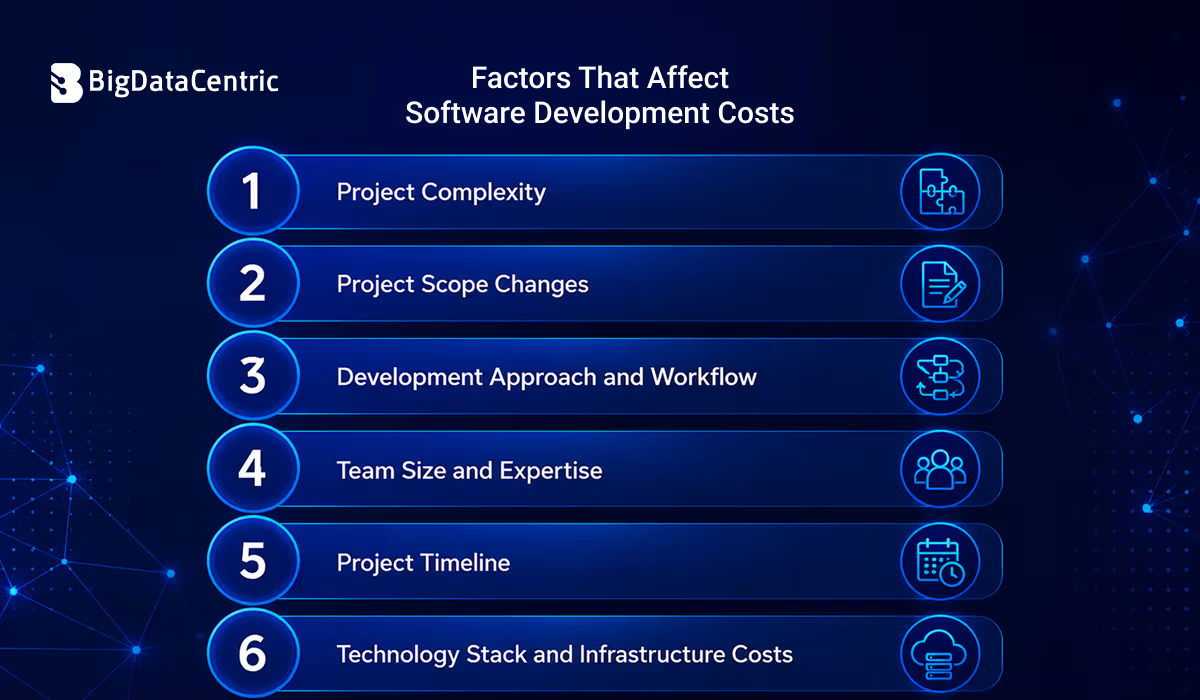
The cost of software development depends on several factors beyond just the number of features. From project planning and team expertise to technology choices and timelines, every decision impacts the overall budget.
Understanding these factors helps businesses estimate costs more accurately and avoid unnecessary expenses during development.
Project Complexity
The complexity of a software project directly impacts its development cost. A simple application with basic functionality requires less time and fewer resources, while enterprise-grade software with custom features, real-time processing, or multiple user roles demands greater technical expertise and longer development cycles.
As complexity increases, so does the need for detailed planning, testing, and performance optimization. Building only the features that align with your business goals in the initial phase can help control costs without affecting the software’s long-term value.
Project Scope Changes
Changes to project requirements after development begins often lead to higher costs. Adding new features, modifying existing functionality, or changing business goals can affect development timelines and require additional design, coding, and testing efforts.
A well-defined project scope helps teams stay focused and reduces the chances of expensive revisions. Gathering detailed requirements early and following a structured change management process can prevent budget overruns while keeping the project on track.
Development Approach and Workflow
The development methodology you choose plays an important role in controlling project costs. Agile development, for example, allows teams to work in short iterations, making it easier to identify issues early and adapt to changing business needs without major disruptions.
An efficient workflow also improves collaboration between developers, designers, testers, and stakeholders. This reduces rework, shortens development cycles, and helps deliver software faster while making better use of available resources.
Team Size and Expertise
The size and experience of your development team directly influence software development pricing. A larger team may complete projects more quickly, but it also increases resource costs. Likewise, experienced developers generally charge more but often deliver higher-quality code with fewer errors.
Choosing the right mix of skills is equally important. A balanced team with experienced professionals and clearly defined roles can improve productivity, reduce development risks, and minimize costly fixes later in the project.
Project Timeline
Project deadlines have a significant impact on development costs. Tight delivery schedules may require additional developers, overtime, or parallel development activities to meet deadlines, increasing the overall project budget.
A realistic timeline gives the team enough time to plan, develop, test, and refine the software properly. This not only helps manage costs but also reduces the likelihood of quality issues caused by rushed development.
Technology Stack and Infrastructure Costs
The technologies used to build your software also affect its overall cost. Programming languages, frameworks, cloud platforms, databases, and third-party tools each have different licensing, implementation, and maintenance requirements that affect the project budget.
Choosing a scalable and cost-effective technology stack helps reduce long-term expenses while maintaining performance. Investing in the right infrastructure from the beginning also minimizes future migration costs and supports business growth more efficiently.
Reduce Development Costs with Confidence
From project planning to deployment, we help businesses optimize software development costs while delivering secure, scalable, and future-ready solutions.
Hidden Expenses That Increase Software Development Cost
While businesses often budget for development, testing, and deployment, several hidden costs can emerge during and after the project. These expenses are easy to overlook during planning but can significantly impact the total investment over time. Identifying them early allows you to plan better and avoid unexpected budget increases.
Maintenance and Product Support
Software requires continuous maintenance even after it is launched. Regular updates, bug fixes, performance improvements, and compatibility updates are essential to keep the application running smoothly and meeting user expectations.
Ongoing product support also includes monitoring system performance, resolving user issues, and releasing enhancements based on feedback. Planning for these recurring costs helps ensure long-term software reliability without disrupting your budget.
Third-Party Integrations Costs
Many modern applications rely on third-party services such as payment gateways, mapping tools, communication APIs, analytics platforms, and authentication systems. While these integrations speed up development, they often involve subscription fees, usage-based pricing, or licensing costs. Businesses may also require API development services to build secure and reliable integrations between different systems.
In addition to recurring charges, integrating external services requires development, testing, and ongoing maintenance whenever providers update their APIs. Factoring in these costs early helps avoid unexpected expenses later.
Technical Debt Cost
Technical debt occurs when development teams choose quick fixes or shortcuts instead of implementing long-term solutions. Although this may reduce initial development time, it often creates challenges when adding new features or maintaining the software.
Over time, technical debt leads to increased maintenance efforts, performance issues, and higher development costs. Investing in clean, scalable code from the beginning helps minimize future rework and improves overall software quality.
Team Training Costs
Introducing new technologies, frameworks, or development tools often requires training for the development team. While this improves technical capabilities, it also adds indirect costs through training programs, certifications, and temporary productivity loss.
Keeping teams up to date with industry best practices ultimately benefits the project, but these learning investments should be included in the overall software budget to avoid financial surprises.
Scalability Enhancements Cost
As your business grows, your software must handle more users, larger datasets, and increased workloads. Scaling an application often requires infrastructure upgrades, database optimization, performance tuning, and architectural improvements.
If scalability isn’t considered during the initial development phase, upgrading the system later can become both time-consuming and expensive. Building with future growth in mind helps reduce these costs over the long term.
Security and Compliance Cost
Security measures such as data encryption, access controls, vulnerability testing, and regular security updates require continuous investment throughout the software lifecycle. Businesses operating in regulated industries may also need to comply with industry standards and legal requirements.
Meeting compliance standards often involves security audits, documentation, monitoring, and periodic assessments. Although these activities increase development costs, they help protect sensitive data, reduce business risks, and prevent far more expensive security incidents in the future.
9 Proven Ways to Reduce Software Development Cost
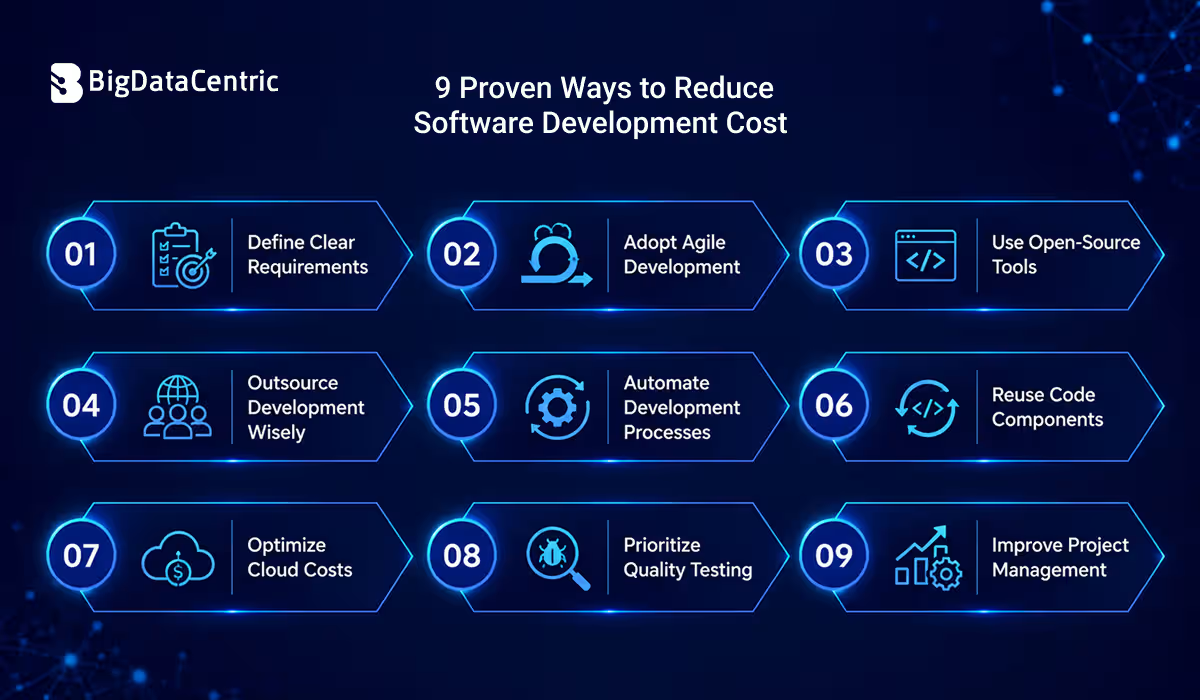
Reducing software development costs doesn’t mean compromising on quality or cutting essential features. The key is to make smarter decisions throughout the development lifecycle, from planning and technology selection to resource management and ongoing optimization.
Here are some proven strategies that help businesses control costs while delivering reliable and scalable software solutions –
Define Clear Requirements
Clearly defined project requirements lay the foundation for a successful software project. When stakeholders agree on the project’s goals, features, and priorities from the beginning, development teams can work more efficiently with fewer misunderstandings.
Well-documented requirements also reduce frequent scope changes, which are one of the biggest reasons projects exceed their budgets. Investing time in planning helps save both time and money during development.
Adopt Agile Development
Agile development breaks a project into smaller, manageable iterations instead of delivering everything at once. This approach allows teams to gather regular feedback, identify issues early, and make improvements without disrupting the entire project.
By prioritizing high-value features and adapting to changing business needs, Agile minimizes expensive rework. It also improves collaboration between stakeholders and development teams, leading to better project outcomes.
Use Open-Source Tools
Open-source technologies can significantly reduce software development pricing by eliminating expensive licensing fees. Many reliable frameworks, databases, and development tools provide enterprise-level capabilities while remaining cost-effective.
Choosing well-supported open-source solutions also gives businesses greater flexibility and access to active developer communities. However, it’s important to evaluate security, scalability, and long-term maintenance before implementation.
Outsource Development Wisely
Outsourcing software development can be a cost-effective option when partnered with an experienced and reliable development company. It provides access to skilled professionals without the expense of hiring and maintaining a large in-house team.
Selecting the right outsourcing partner is equally important. Strong communication, transparent processes, and technical expertise help ensure projects are delivered on time, within budget, and according to business requirements.
Automate Development Processes
Automation helps reduce manual effort across various stages of the software development process, including testing, deployment, code reviews, and continuous integration. It improves efficiency while reducing the chances of human error.
By automating repetitive tasks, development teams can focus on building new features and solving complex problems. This increases productivity and helps shorten the overall development cycle.
Reuse Code Components
Reusing existing code libraries, templates, and pre-built components speeds up development and reduces implementation costs. Developers can focus on building unique business functionality instead of recreating common features from scratch.
Code reuse also improves consistency across projects and simplifies future maintenance. Using proven components often results in fewer bugs and faster project delivery.
Optimize Cloud Costs
Cloud services offer flexibility and scalability, but poor resource management can quickly increase operational expenses. Unused storage, oversized servers, and underutilized resources often lead to unnecessary cloud spending.
Regularly monitoring cloud usage, selecting the right pricing models, and scaling resources based on actual demand help businesses optimize infrastructure costs without affecting application performance.
Prioritize Quality Testing
Skipping or limiting software testing may reduce initial costs, but it often leads to expensive bug fixes after deployment. Comprehensive testing helps identify issues before they affect users, reducing maintenance costs and improving software reliability.
A well-planned testing strategy that includes automated and manual testing ensures stable software releases. Early defect detection also minimizes costly rework later in the development process.
Improve Project Management
Effective project management keeps development activities organized, aligns teams with business objectives, and ensures resources are used efficiently. Regular progress tracking and clear communication help identify risks before they become major issues.
Using project management tools, setting realistic milestones, and maintaining transparency throughout development improve productivity and reduce delays. Strong project management ultimately leads to better budget control and more successful software delivery.
How to Reduce Development Cost While Maintaining Software Quality?
Many businesses assume that lowering development costs means sacrificing software quality, but that’s not the case. The key is to optimize processes, prioritize high-impact features, and make informed technical decisions throughout the project.
A well-planned approach allows you to reduce expenses while still delivering secure, scalable, and high-performing software.
Start by defining clear project requirements and building a Minimum Viable Product (MVP) to validate your idea before investing in advanced features.
Following Agile development practices, reusing proven code components, and automating repetitive tasks can further improve efficiency while minimizing development time and costs. Regular testing throughout the development lifecycle also helps detect issues early, preventing expensive fixes after deployment.
Choosing the right development partner is equally important. An experienced software development company can recommend the most suitable technology stack, allocate resources effectively, and implement best practices that balance cost with quality.
With proper planning and continuous optimization, businesses can achieve long-term value without exceeding their software development budget.
Why Choose BigDataCentric for Cost-Effective Software Development?
At BigDataCentric, we believe that successful software development is about delivering maximum business value—not simply reducing costs. Our team works closely with clients to understand their objectives, define clear project requirements, and recommend the most efficient development approach. This helps eliminate unnecessary expenses while ensuring every investment contributes to your business goals.
From project planning and custom application development to software integration services, big data integration, and ongoing support, we focus on building scalable, high-quality solutions that fit your budget.
By leveraging Agile methodologies, modern technologies, and industry best practices, we streamline the development process, reduce rework, and accelerate time to market.
Whether you’re building a new digital product or modernizing an existing application, BigDataCentric combines technical expertise with a cost-conscious approach to deliver reliable software without compromising on performance, security, or future scalability.
Our transparent communication, experienced development team, and commitment to quality make us a trusted technology partner for businesses of all sizes.
Need Expert Guidance for Your Software Project?
Our specialists help you reduce development costs through efficient planning, modern technologies, and scalable solutions built for long-term success.
Final Thoughts
Managing software development costs is about making smarter decisions throughout the project—not simply reducing the budget. By understanding the factors that influence development expenses, planning for hidden costs, and adopting proven cost optimization strategies, businesses can build high-quality software without unnecessary spending.
Whether it’s defining clear requirements, choosing the right technology stack, or improving project management, every decision contributes to the success of your project.
With the right development approach and an experienced technology partner, you can control costs while creating scalable, secure, and future-ready software that delivers long-term business value.
FAQs
Are software development costs tax deductible?
Yes, software development costs may be tax deductible, but it depends on your country's tax regulations and the nature of the expense. Costs related to research, development, maintenance, or software purchased for business use may qualify, so it's best to consult a tax professional.
What are the 4 pillars of cost optimization?
The four pillars of cost optimization are planning, resource optimization, process efficiency, and continuous monitoring. Together, they help businesses reduce unnecessary expenses while improving productivity, performance, and long-term value.
What is the 80 20 rule in software development?
The 80/20 rule, also known as the Pareto Principle, suggests that 80% of business value often comes from 20% of the software features. Focusing on these high-impact features first helps reduce development costs, accelerate delivery, and maximize ROI.
What are the 5 basic cost concepts?
The five basic cost concepts are fixed costs, variable costs, direct costs, indirect costs, and opportunity costs. Understanding these concepts helps businesses estimate project budgets, control spending, and make informed financial decisions during software development.

About Author
Jayanti Katariya is the CEO of BigDataCentric, a leading provider of AI, machine learning, data science, and business intelligence solutions. With 18+ years of industry experience, he has been at the forefront of helping businesses unlock growth through data-driven insights. Passionate about developing creative technology solutions from a young age, he pursued an engineering degree to further this interest. Under his leadership, BigDataCentric delivers tailored AI and analytics solutions to optimize business processes. His expertise drives innovation in data science, enabling organizations to make smarter, data-backed decisions.
Latest From Our Blog
Stay updated with technical insights, industry trends, and the latest technology developments.