

How to Build an App Like Dofu Sports App?
Blog Summary:
This guide covers how to develop a sports streaming app like Dofu, from planning and UX design to technology selection, testing, and launch. It explains essential features, streaming rights, scalability, and real-time engagement. It also outlines development timelines, technology choices, and estimated costs.
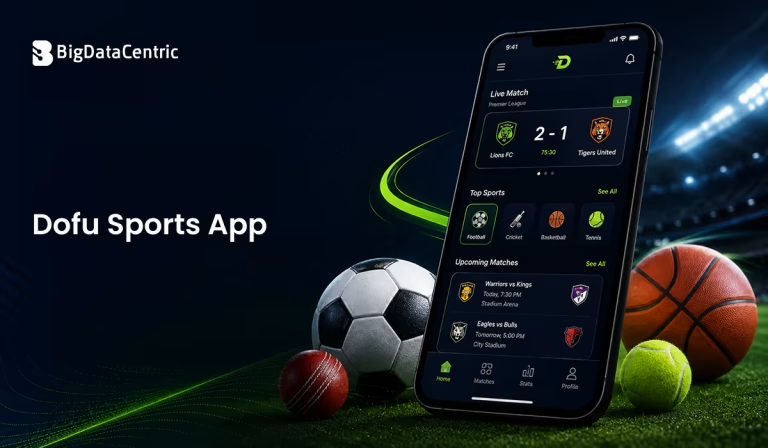
Sports fans today expect more than basic match schedules from mobile apps. They want real-time scores, team standings, game schedules, statistics, highlights, and timely updates in one convenient platform. The Dofu Sports App is a sports-focused platform built around these requirements, offering features such as live scores, league standings, schedules, odds, and video highlights across sports including soccer, basketball, baseball, hockey, and cricket.
According to available app listings, Dofu-related Android versions have recorded approximately 5,000 to 10,000+ installs, while ratings across different listings have ranged from around 2.6 to 4.5 stars. User feedback is mixed: some appreciate the simple interface for tracking live scores, while others report frequent advertisements and occasional connectivity issues. These varied experiences highlight the importance of reliability, performance, intuitive design, and a balanced monetization strategy when developing a sports streaming platform.
For businesses considering a similar product, the opportunity extends beyond simply displaying live match information. A successful sports streaming app needs reliable, real-time data, scalable infrastructure, engaging features, seamless navigation, and consistent performance during high-traffic sporting events. The following sections cover the development process, essential features, technology stack, licensing considerations, development timeline, and cost involved in building a sports streaming platform like this.
How to Develop a Sports Streaming App Like Dofu Sports?
Developing a sports streaming platform requires more than adding live video functionality. The app needs a clear market strategy, carefully selected features, intuitive navigation, reliable real-time data, and an architecture that can handle traffic spikes during major games. A structured development process helps turn these requirements into a scalable product while maintaining a consistent user experience.
Define the App and Market
Begin by defining the app’s purpose, target audience, sports categories, geographic markets, and content model. Determine whether the platform will primarily offer live streams, real-time scores, schedules, highlights, statistics, or a combination of these features. Research competing sports platforms to understand their strengths, pricing models, engagement methods, and common user complaints.
This stage should also establish the business and monetization model. Depending on the target audience, revenue can come from subscriptions, advertising, sponsorships, premium features, or a combination of these approaches. If the platform will distribute live sporting events, evaluate licensing and broadcasting rights before development begins.
Plan Features and Design UX
Once the product scope is clear, create a feature roadmap based on what users need most frequently. Core functionality can include live streaming, real-time scores, match schedules, league standings, player statistics, highlights, sports news, and push notifications. Additional features such as favorites, personalized feeds, search, and reminders can improve engagement without unnecessarily complicating the interface.
UX design should prioritize quick access to live games and important match information. Create wireframes and prototypes before development to define navigation, content hierarchy, player screens, scoreboards, and notification flows. The interface should remain responsive across screen sizes and provide a smooth experience as users switch between matches, scores, and other content.
Choose Technology and App Architecture
Select the technology stack based on the platform’s streaming, data, performance, and scalability requirements. A cross-platform framework such as Flutter or React Native can support Android and iOS development with shared code, while native technologies may be preferred when platform-specific performance or functionality is required.
The backend can use technologies such as Node.js, Python, Java, or similar server-side frameworks, supported by databases suited to the application’s data requirements. Sports data APIs can provide live scores, fixtures, standings, statistics, and other real-time information, while video delivery can rely on technologies such as HLS or MPEG-DASH with a content delivery network (CDN).
A modular, scalable architecture matters because sports applications can see sudden traffic spikes when popular games begin. Cloud infrastructure, caching, load balancing, database optimization, and auto-scaling can help maintain performance as the user base grows.
Test, Optimize, and Launch
Testing should cover every major part of the application before it reaches users. Functional testing verifies features such as account management, live scores, video playback, search, notifications, and payments. Performance testing is particularly important for sports platforms because streaming and real-time data can place significant demands on the backend.
The application should also undergo compatibility, security, usability, and network testing across different devices and connection conditions. Testing and optimization can help developers identify crashes, playback problems, API delays, navigation issues, and other performance bottlenecks.
After the application meets the required quality standards, it can be prepared for deployment on the relevant app stores. A phased rollout can help identify unexpected issues before making the application widely available.
Monitor, Maintain, and Improve Performance
Launching the app is not the final stage of development. Continuous monitoring is necessary to track crashes, server performance, streaming quality, API response times, user engagement, and other important metrics. Analytics can help identify which sports, features, and content generate the most engagement.
Regular maintenance should include security updates, bug fixes, API updates, compatibility improvements, and infrastructure optimization. User feedback can also reveal areas where navigation, notifications, streaming quality, or other features need improvement.
As the platform grows, you can introduce new sports, leagues, personalization features, and engagement tools based on actual user behavior and market demand. This ongoing approach helps maintain performance while allowing the product to evolve rather than become outdated after launch.
How Long Does It Take to Develop a Sports Streaming App Like Dofu Sports App?
The development time for a sports streaming app depends on its feature set, supported platforms, streaming requirements, third-party integrations, and level of customization.
A basic application focused on scores, schedules, and sports updates can be developed faster than a full-scale platform with live video streaming, real-time statistics, user accounts, subscriptions, and personalized content.
A basic sports app may take around 3–4 months, while a medium-complexity platform with real-time data, video highlights, notifications, and multiple integrations can take approximately 4–6 months.
A more advanced solution with live streaming infrastructure, extensive sports coverage, advanced personalization, payment systems, and scalable cloud architecture may require 6–9 months or more.
| Development Stage | Estimated Time | Key Activities |
|---|---|---|
| Research & Planning | 2–3 weeks | Market research, requirements, feature planning |
| UI/UX Design | 3–5 weeks | Wireframes, prototypes, interface design |
| Frontend & Backend Development | 8–14 weeks | App development, APIs, database, backend |
| Streaming & API Integration | 3–6 weeks | Sports data APIs, video streaming, third-party services |
| Testing & Optimization | 3–5 weeks | Functional, security, compatibility, and performance testing |
| Deployment & Launch | 1–2 weeks | App store preparation, deployment, and launch monitoring |
The actual timeline can vary because some development activities can run simultaneously. The number of supported sports, the complexity of the streaming infrastructure, third-party integrations, platform requirements, and the level of customization can all influence the schedule.
Starting with an MVP and adding advanced capabilities in later releases can help businesses launch sooner while keeping development manageable.
Launch Your Own Sports Streaming Platform
Create an engaging digital sports experience with live streaming, match updates, personalized notifications, highlights, and scalable technology.
Key Factors to Consider When Building a Sports Streaming App
Building a sports streaming platform requires careful planning around content availability, technical performance, and user engagement. Unlike standard video applications, sports platforms must handle real-time information and sudden traffic spikes during major matches and tournaments.
Sports Content Licensing and Streaming Rights
Before offering live matches, businesses need to identify the leagues, teams, and competitions they are legally permitted to stream in their target markets. Broadcasting rights can vary by sport, country, competition, and platform, so licensing is a key part of initial planning.
Include licensing costs and contractual requirements in the overall business model. Depending on the available rights, a platform can also focus on licensed third-party streams, live scores, schedules, statistics, news, and highlights instead of broadcasting every sporting event directly.
Scalability During High-Viewership Events
Sports apps can experience sudden traffic spikes when major games, finals, or tournaments attract large audiences. A scalable cloud infrastructure with load balancing, caching, auto-scaling, and CDN support can help maintain stable performance when many users access the platform at the same time.
Conduct performance testing under simulated peak traffic before launch. Monitoring API response times, server resources, streaming quality, and application errors can help identify bottlenecks and ensure the platform remains responsive during high-demand events.
Real-Time Engagement, Alerts, and Notifications
Real-time notifications can keep users updated about match starts, scores, goals, game results, schedule changes, and other important events. Allowing users to follow specific teams, leagues, or sports makes these alerts more relevant and creates a more personalized experience.
However, too many notifications can reduce engagement and prompt users to disable them. Customizable notification settings let users choose which updates they want to receive while helping the platform deliver timely, relevant information.
Essential Features of a Sports Streaming App Like Dofu Sports
A sports streaming platform needs a combination of live content, real-time information, and engagement features to keep users connected with their favorite sports. The right feature set should make it easy to watch games, follow scores, check upcoming events, and receive important updates from a single application.
Live Streaming
Live streaming is a core feature for users who want to watch sporting events directly through the app. The platform should support stable video playback, adaptive streaming quality, full-screen viewing, and minimal buffering across different network conditions and devices.
A reliable video delivery infrastructure is essential for maintaining streaming quality during high-demand events. Integrating suitable streaming protocols, CDN services, and content protection mechanisms can help deliver licensed sports content efficiently while providing a consistent viewing experience.
Real-Time Scores & Stats
Real-time scores allow users to follow matches even when they cannot watch the live stream. The feature can display current scores, game status, league standings, player performance, and other relevant statistics based on the selected sport.
Sports data APIs can be integrated to retrieve and update match information as events occur. A well-organized interface should present important statistics clearly, allowing users to quickly check the latest match developments without navigating through multiple screens.
Video Highlights
Video highlights give users quick access to important moments from completed or ongoing matches. Depending on the available content rights, the platform can provide goals, wickets, key plays, match-winning moments, and short game recaps.
Highlights can also increase engagement among users who missed a live event. Categorizing clips by sport, match, team, or event makes the content easier to find and allows users to watch relevant moments without watching the entire game.
News & Schedule Updates
Sports news and schedule updates help users stay informed about upcoming games, team developments, fixtures, and competition changes. The app can organize information by sport, league, team, or preferred competitions for easier navigation.
An updated schedule should include match dates, start times, participating teams, venues, and, where applicable, event status. Combining schedules with relevant news gives users a centralized place to plan which games they want to follow.
Push Notifications
Push notifications can provide timely updates about match starts, score changes, results, schedule changes, and important events. Users should be able to select their favorite teams, sports, or leagues so they receive updates relevant to their interests.
Notification controls are important for maintaining a positive user experience. Options to enable or disable specific alert categories, adjust notification frequency, and manage followed teams can prevent excessive messages while keeping users informed about important events.
Technologies for Developing a Sports Streaming App Like Dofu Sports
The technology stack should support real-time sports data, high-quality video delivery, secure user access, and scalability during peak traffic. The final selection depends on the app’s features, supported platforms, expected user base, and integration requirements.
| Technology Area | Recommended Technologies | Purpose |
|---|---|---|
| Mobile App | Flutter, React Native, Swift, Kotlin | Build Android and iOS applications |
| Backend | Node.js, Python, Java | Manage APIs, users, business logic, and real-time data |
| Database | PostgreSQL, MySQL, MongoDB | Store user, match, sports, and application data |
| Live Streaming | HLS, MPEG-DASH | Deliver adaptive video streams across devices |
| Cloud & CDN | AWS, Google Cloud, Azure, Cloudflare | Support scalable hosting and content delivery |
| Sports APIs | REST APIs, WebSockets | Provide live scores, schedules, stats, and updates |
| Notifications | Firebase Cloud Messaging, APNs | Deliver real-time alerts and match notifications |
| Security | OAuth 2.0, SSL/TLS, encryption | Protect accounts, data, and communication |
The stack can be adjusted to the project’s requirements rather than relying on all technologies listed above.
For example, WebSockets can support fast real-time updates, while cloud infrastructure and CDN services can efficiently distribute streaming content. Combining these technologies with a scalable architecture helps the platform handle growing users and high-viewership sporting events.
How Much Does It Cost to Develop an App Like Dofu Sports?
The cost of developing a sports streaming application depends on its functionality, supported platforms, streaming infrastructure, integrations, and level of customization.
A basic sports app with scores, schedules, and notifications may require a smaller investment, while a feature-rich platform with live streaming, real-time statistics, subscriptions, and scalable infrastructure will require a larger budget.
For a customized sports streaming platform, development costs can vary significantly based on the scope and development team. A basic MVP may cost $25,000–$50,000, while a medium-complexity application can cost $50,000–$100,000. Advanced platforms with extensive streaming capabilities, complex integrations, and high scalability requirements can exceed $100,000.
Features, Functionality, and Design Requirements
The number and complexity of features directly impact development costs. Features such as live streaming, real-time scores, video highlights, user profiles, personalized notifications, subscriptions, search, and multi-sport support require additional development and integration.
UI/UX requirements also influence the budget. A simple interface requires less design and development effort, while a highly customized UI can increase costs. Personalized dashboards, interactive stats, multiple content formats, and animations increase overall development time.
Development Team, Expertise, and Technology Choices
The development team’s location, experience, and technical expertise can significantly affect the overall budget. A project requiring expertise in live streaming, real-time data processing, cloud infrastructure, security, and mobile development may require a larger or more specialized team.
Technology choices also influence expenses through development effort, third-party services, API subscriptions, cloud hosting, CDN usage, and ongoing maintenance. Choosing technologies based on actual project requirements, rather than adding unnecessary components, can help control initial investment while keeping the platform scalable.
Sports Streaming Apps Developed by BigDataCentric
BigDataCentric develops custom streaming and media applications focused on scalable architecture, intuitive user experiences, secure content delivery, and performance optimization. Its streaming platform experience helps businesses build solutions that combine video delivery, real-time data, user engagement, and monetization.
The development approach can be tailored to the required sports, platforms, content model, and business objectives. Similar streaming projects can also include personalized content, scalable cloud infrastructure, analytics, and subscription management, as demonstrated in BigDataCentric’s work on streaming platforms.
For businesses planning a feature-rich sports platform, related expertise in streaming platform development, API development and integrations, and scalable application development can help support the technical requirements of a sports streaming product.
Have an Idea for a Sports Streaming App?
Build a feature-rich sports app with live streaming, real-time updates, scores, highlights, and personalized notifications.
A Final Word
Building a sports streaming platform requires reliable streaming technology, real-time sports data, intuitive design, and scalable infrastructure. From securing content rights and choosing the right technology stack to supporting live scores, highlights, notifications, and high-traffic events, each component shapes the platform’s user experience and long-term performance.
A well-planned MVP can help businesses validate their concept before expanding into advanced features and additional sports. By focusing on performance, personalization, content quality, and continuous improvements, businesses can create a competitive sports streaming solution that meets changing user expectations while supporting sustainable growth.
FAQs
What is the best app for free sports streaming?
No single free sports-streaming app works best for every sport or region. Pluto TV is one established free option, while services such as ESPN, Tubi, or league-specific platforms may provide selected free sports content depending on location and rights.
Which app replaced Dofu?
No single app has been officially confirmed as a replacement for Dofu. Several apps use the Dofu name or offer similar sports-tracking functionality, so users should verify the publisher and app listing before installing.
Is there a free Dofu live stream app?
Yes, multiple Android listings using the Dofu name have been available, including apps offering live scores, schedules, odds, and sports updates. However, availability and functionality can change, so users should check the official app marketplace listing.
Is there an app called Dofu for iPhone?
Yes. The Dofu – Live Sports Scores is currently listed on Apple’s App Store for iPhone and provides live scores, match details, league information, and other sports updates.

About Author
Jayanti Katariya is the CEO of BigDataCentric, a leading provider of AI, machine learning, data science, and business intelligence solutions. With 18+ years of industry experience, he has been at the forefront of helping businesses unlock growth through data-driven insights. Passionate about developing creative technology solutions from a young age, he pursued an engineering degree to further this interest. Under his leadership, BigDataCentric delivers tailored AI and analytics solutions to optimize business processes. His expertise drives innovation in data science, enabling organizations to make smarter, data-backed decisions.
Latest From Our Blog
Stay updated with technical insights, industry trends, and the latest technology developments.